
Fourteen days is not enough time to understand India. It is, however, enough time to feel it — to have the kind of experiences that rearrange something in you that you didn't know needed rearranging.
The problem with most 2-week India itineraries is that they treat the Golden Triangle — Delhi, Agra, Jaipur — as the full story. It isn't. It's the first chapter. And if you leave India having only read the first chapter, you'll spend the next three years telling people about the Taj Mahal while quietly knowing you missed what the place is actually about.
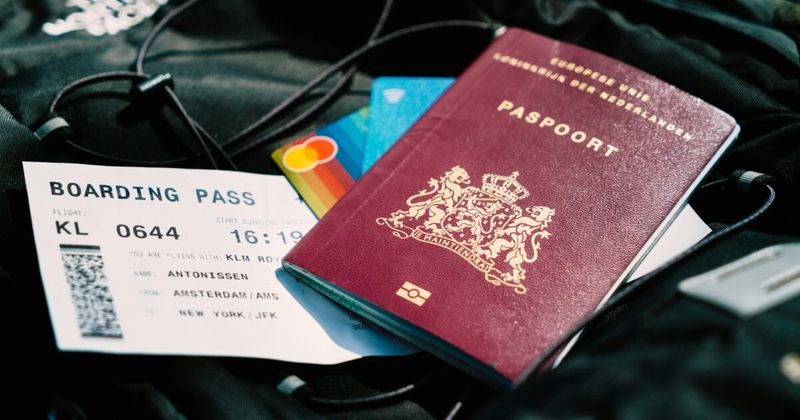
This itinerary is different. It uses your 14 days efficiently — keeping the unmissable and surgically replacing the skippable with things that most first-timers only discover on their second trip. It covers five cities, uses two overnight trains that save a night of accommodation each, includes one domestic flight, and fits comfortably into a mid-range budget of $80–120 USD per day. All costs are in both INR and USD. All train times are real. Start your flight comparison on FlyFlick — open-jaw tickets into Delhi and out of Kochi (or Bengaluru) often save $120–200 USD over a return to one city.
India e-Visa official portal — Apply minimum 2 weeks before travel.
Before You Leave Home: The Four Things to Sort in Advance
Every hour you spend confused at an Indian airport, railway counter, or hospital is an hour you're not spending in India. Sort these before you board.
Travel insurance first. Not last, not "when I get around to it" — first. India's private hospitals are excellent and expensive. A hospitalisation in Delhi or Mumbai runs ₹15,000–80,000/day (about $180–960 USD) for foreigners without coverage. Compare plans on Visitors Coverage — comprehensive 2-week India policies run $30–80 USD. Do it before you book anything else on this list.
Your airport transfers. You'll land in Delhi (DEL) and depart from Kochi (COK) or Bengaluru (BLR) on this itinerary. Book both transfers in advance. Get Transfer operates across all major Indian airports — you choose your vehicle type, see the exact car and driver rating before confirming, and pay a fixed fare with no arrival-hall negotiation. For city-to-city private transfers between legs of this trip where trains don't fit, Intui.travel offers pre-booked licensed transfers in 175 countries including all major Indian cities — fixed fare, meet and greet, no language barrier.
A travel eSIM. Get it activated before you board. Saily gives you fast 5G across Delhi, Varanasi, Jaipur, Jodhpur, Kochi, and all tourist circuits on this itinerary from the moment you land. If this trip is part of a longer multi-country journey, Yesim covers unlimited data across India, Nepal, Sri Lanka, and beyond on one plan.
Train tickets. Book through 12Go Asia — it accesses the official Indian Railways inventory in English and accepts international cards. The IRCTC site is technically possible for foreigners; it is also a misery. Don't bother.
The Itinerary at a Glance
| Days | City | Key Experience |
|---|---|---|
| 1–3 | Delhi | Old City, street food, Mughal history |
| 4-5 | Varanasi | Dawn on the Ganges, Ganga Aarti |
| 6-7 | Agra | Taj Mahal sunrise, Agra Fort |
| 8-10 | Jodhpur + Jaisalmer option | Mehrangarh Fort, Blue City lanes |
| 11-12 | Jaipur | Amber Fort, markets, pink city |
| 13-14 | Kochi + Kerala backwaters | Fort Kochi, Alleppey houseboat |
Days 1–3: Delhi — Don't Rush Through It
Most itineraries give Delhi one day. That's a mistake born from thinking Delhi is a gateway rather than a destination. Old Delhi alone — the dense, medieval quarter around Jama Masjid and Chandni Chowk — needs a full day by itself. Give the city three.
Day 1 is arrivals and acclimatisation. Book your transfer from Indira Gandhi International Airport (DEL) to your accommodation through Get Transfer — the drive to central Delhi takes 45 minutes to 1.5 hours depending on traffic; fixed fare, driver waiting in arrivals. Don't plan anything ambitious for Day 1. Find your hotel, eat dinner near your accommodation, sleep early.
Day 2 is Old Delhi. Start at Jama Masjid (India's largest mosque, free entry, open to non-Muslims outside prayer times) at 7 AM before the crowds arrive. Walk north through the Chandni Chowk lanes — narrow, relentless, completely extraordinary. Breakfast is a paratha from Paranthe Wali Gali, a lane of breakfast shops where each paratha costs ₹60–100 (about $0.70–1.20 USD) and comes with four chutneys. Book a street food walking tour here through Klook — a 3-hour morning tour runs ₹1,500–2,500 (about $18–30 USD) and gives you the vendor navigation before you go solo. Afternoon: Humayun's Tomb (₹600 / about $7.20 USD for foreigners — this is the precursor to the Taj Mahal architecturally and far less crowded).
Day 3 is New Delhi. Qutb Minar (₹600 / about $7.20 USD for foreigners), India Gate (free, best at dusk), the Lodhi Garden for a walk. Dinner at Karim's in Nizamuddin — a restaurant operating since 1913, mutton korma ₹280 (about $3.40 USD), the real version.
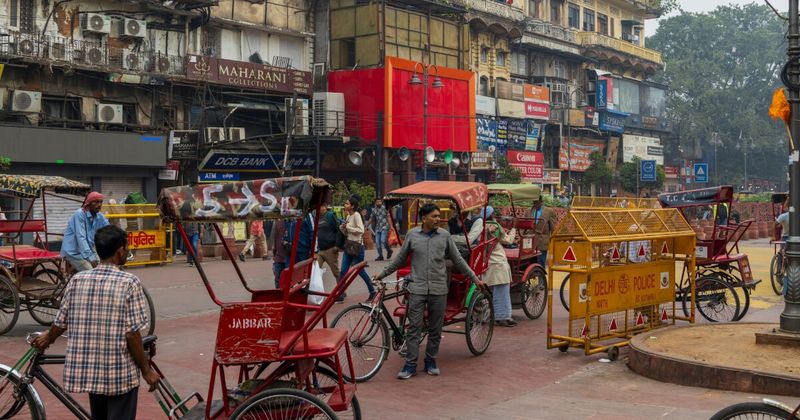
Chandni Chowk at 7 AM gives you 45 minutes of relative quiet before it becomes the most alive street in Asia.
Days 4–5: Varanasi — The City That Changes People
Varanasi is the reason most people who've been to India twice go back. It's also the reason some first-timers find the itinerary overwhelming. Put it on anyway. This is the oldest continuously inhabited city on earth — built on the west bank of the Ganges river in Uttar Pradesh state — and nothing else in India is like it.
Getting there: Overnight train from Delhi (New Delhi station) to Varanasi Junction. The Kashi Express or Poorva Express departs around 6–7 PM and arrives around 7–9 AM — 12–14 hours, ₹485–1,500 (about $6–18 USD) depending on class. Book through 12Go Asia. This is your first overnight train; book 3AC sleeper class (air-conditioned, three-tier berths, padlocked luggage chain included). You arrive rested, your accommodation cost for the night is zero.
Day 4 — The ghats. Your hotel or guesthouse should be within 5 minutes' walk of the ghats — the stone stairways that descend to the Ganges. Get to Dashashwamedh Ghat by 6 AM. The morning light on the river, the priests performing rituals, the smoke from the cremation ghats downstream, the sounds — it's the most complete sensory experience available in India and possibly anywhere. Boat ride at dawn: agree ₹300–500 (about $3.50–6 USD) for one hour before you step in. Pre-book your Ganga Aarti front-row seated platform for the evening ceremony through Klook — ₹500–800 (about $6–10 USD). The standing view is free. The seated view is transformative.
Day 5 — The lanes. Varanasi's old city is a maze of lanes (called "galis") that spiral between the ghats and the temples. Kashi Vishwanath Temple — one of the holiest Shiva temples in India — is at the centre. Walk slowly. Get lost deliberately. Leave by the afternoon train or overnight service to Agra.
Check Live Flight Prices
Days 6–7: Agra — Yes, the Taj Mahal. Here's How to Do It Right
The Taj Mahal is not overrated. It is, however, very badly planned by most visitors who see it at noon surrounded by 4,000 people and wonder why it didn't feel the way the photos looked.
Getting there: Train from Varanasi to Agra Cantt station. The Marudhar Express takes about 8–9 hours; depart early morning and arrive mid-afternoon. ₹400–1,200 (about $5–14.50 USD) in sleeper or 3AC via 12Go Asia.
Day 6 — Taj Mahal at sunrise. Pre-book your ticket on Klook before this trip ₹1,300 (about $16 USD) for the complex plus ₹200 for the mausoleum entry for foreign nationals. Arrive at the East Gate by 6:00 AM for the 6:30 AM opening. You'll have 30–40 minutes of soft light and thin crowds before the tour buses arrive. By 8:30 AM it becomes a different experience. Agra Fort in the afternoon (₹650 / about $7.80 USD for foreigners) — the Taj is visible from the Fort's river-facing towers, which is how the Mughal emperor Shah Jahan reportedly watched it from captivity in his final years.
Day 7 — Fatehpur Sikri and departure. Fatehpur Sikri is a completely intact Mughal ghost city 40 km west of Agra, abandoned in the 1580s and perfectly preserved one of the most under visited UNESCO World Heritage Sites in India. Entry ₹610 (about $7.30 USD) for foreigners. Return to Agra by afternoon for the overnight train to Jodhpur.
Arrange your Agra city transfers — Agra Cantt station to hotel, hotel to Taj Mahal East Gate through GetTransfer. Agra's auto-rickshaw scene is aggressive around tourist sites; a pre-booked fixed-fare transfer removes that variable entirely.
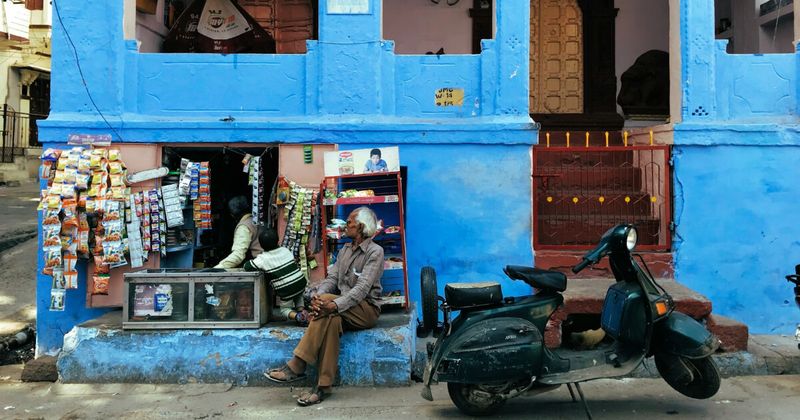
Every wall in Jodhpur is painted this specific shade of deep cobalt — legend says it repels mosquitoes; the real reason, historians suggest, is that it was originally a Brahmin caste marker that everyone eventually copied.
Days 8–10: Jodhpur The Blue City Nobody Talks About Enough
Jaipur gets all the attention in Rajasthan. Jodhpur deserves more of it. The "Blue City" called so because roughly half its old town is painted in deep cobalt blue sits beneath Mehrangarh Fort, one of the most dramatically positioned fortresses in India. It's also significantly less crowded than Jaipur, which means you can walk its lanes at 8 AM and have them almost to yourself.
Getting there: Overnight train from Agra to Jodhpur — approximately 9–10 hours. The Marudhar Express runs this route; ₹450–1,400 (about $5.50–17 USD) via 12Go Asia. You arrive in the morning, which is the right time to arrive in any Rajasthani city.
Day 8 — Mehrangarh Fort. Entry ₹600 (about $7.20 USD) for foreigners, plus ₹100 for the audio guide which is genuinely excellent — narrated in part by Pete Postlethwaite and covers the fort's history without feeling like a museum pamphlet. The fort opens at 9 AM. Arrive then. The views over the blue city from the upper ramparts are the best photograph in Rajasthan. Afternoon: walk the old city lanes between the fort and the Clock Tower (Ghanta Ghar) market. A glass of lassi at a stall near the market costs ₹40 (about $0.50 USD). Drink two.
Day 9 — Osian and rest. Osian is a desert village 65 km north of Jodhpur with 15th-century Jain temples and sand dunes — it's a half-day trip that almost no package tour includes. Pre-book a private day transfer through Intui.travel — fixed fare, licensed driver, door-to-door. Alternatively, use the morning for Jodhpur's Umaid Bhawan Palace (partly a heritage hotel, partly open to visitors, entry free to the garden section) and the afternoon for shopping.
Day 10 — Optional Jaisalmer extension. If you have flexibility, drop a Jaipur day and add Jaisalmer instead — the "Golden City" in the Thar Desert, with a fort that is still inhabited, about 5.5 hours by train from Jodhpur (₹200–900 / about $2.50–11 USD via 12Go Asia). If staying in Jodhpur, use Day 10 for Kheechan village (50 km from Jodhpur, winter months only) where thousands of demoiselle cranes descend on the fields at dawn — one of India's genuinely spectacular wildlife spectacles, free to witness, known to almost no one.
Days 11–12: Jaipur — The Pink City Done Properly
Jaipur is the most visited city in Rajasthan and the most instagrammed. It's also genuinely worth visiting — the crowd is not wrong. The key is sequencing: do the unmissable early, get off the main drag by noon, and resist the carpet shops.
Getting there: Train from Jodhpur to Jaipur — approximately 5.5–6 hours. The Mandore Express or Intericity Express; ₹215–800 (about $2.50–9.60 USD) via 12Go Asia.
Day 11 — Amber Fort and Old City. Amber Fort (formerly spelled Amer) sits 11 km north of Jaipur city — entry ₹550 (about $6.60 USD) for foreigners. Book the light and sound show the evening before through Klook if you're staying a second night — ₹295 (about $3.50 USD), runs nightly. The City Palace is Jaipur's Mughal-Rajput royal complex, still partly inhabited by the royal family — entry ₹700 (about $8.50 USD) for foreigners. The Jantar Mantar astronomical observatory next door (UNESCO World Heritage Site, entry ₹200 / about $2.50 USD) is genuinely extraordinary and takes 45 minutes.
Day 12 — Hawa Mahal and Bapu Bazaar. Hawa Mahal (the "Palace of Winds") is the iconic pink sandstone facade on the main road — entry ₹50 (about $0.60 USD) for foreigners. Bapu Bazaar for blue pottery, block-print fabric, and silver jewellery. The price of everything here is negotiable. The first price you're quoted is not the price.
For transfers within Jaipur — airport to hotel, Amber Fort to City Palace, station to accommodation — Intui.travel offers fixed-fare pre-booked city transfers, which is the right call in a city where auto-rickshaw tout pressure around tourist sites is significant.
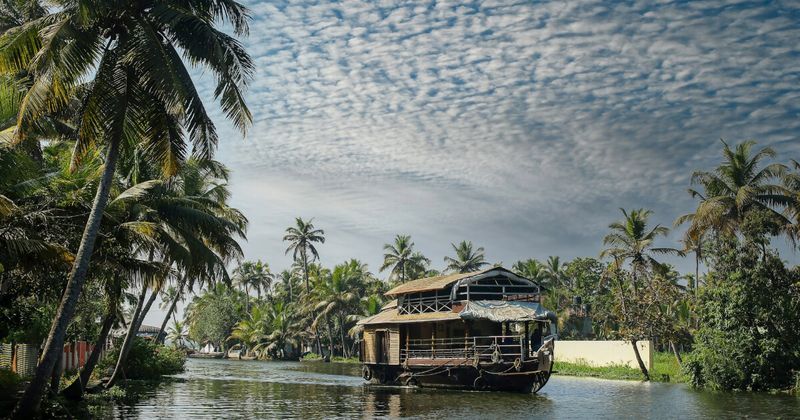
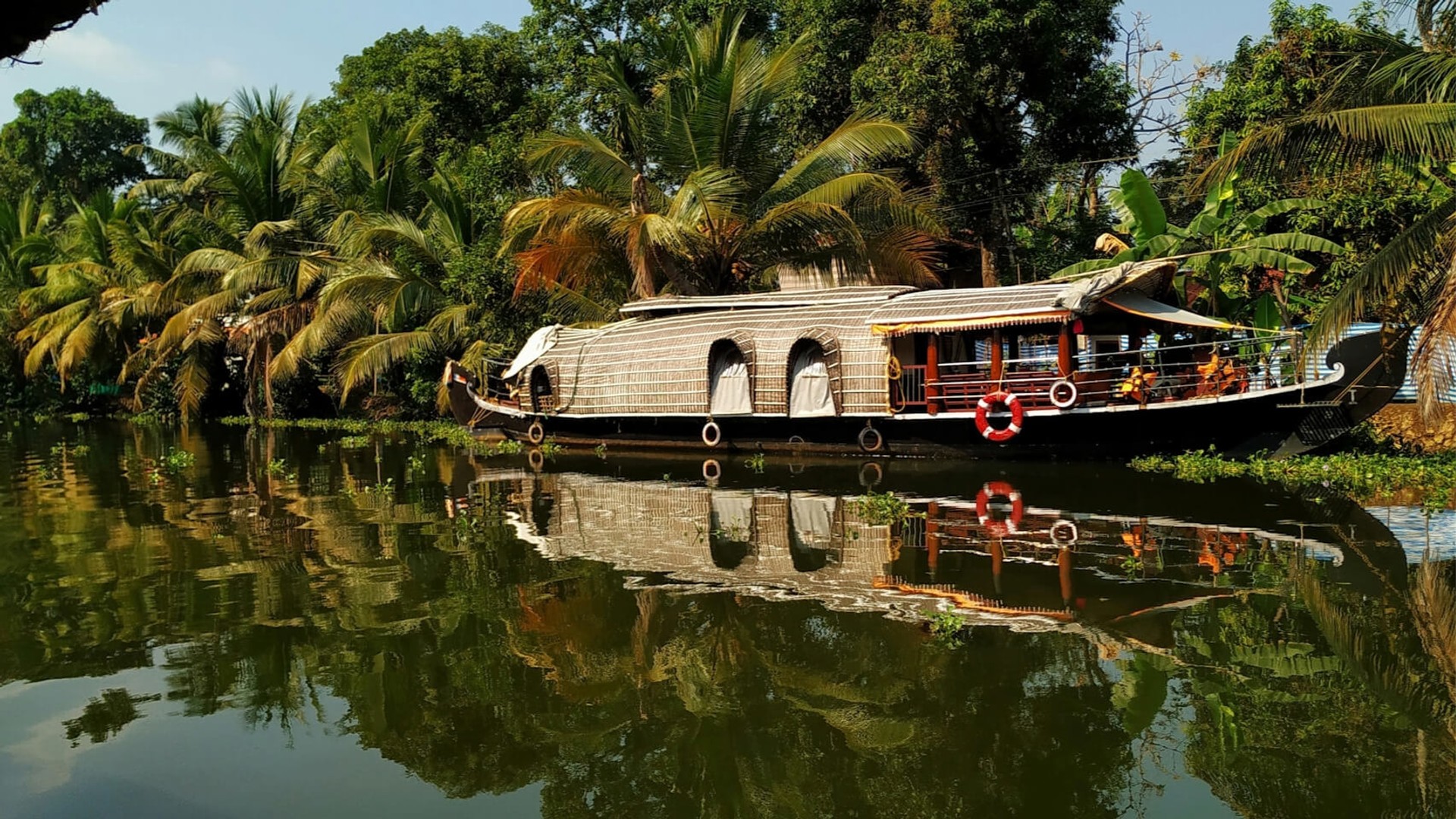
Alleppey's backwaters in peak season (October–March) fill up fast — book your houseboat at least 3 weeks ahead and go for the overnight version; the early morning silence on the water is the whole point.
Days 13–14: Kochi and Kerala's Backwaters — The Itinerary's Final Act
From Jaipur, fly to Kochi (COK) in Kerala, South India. Direct flights take about 2.5–3 hours; search on FlyFlick — fares range from ₹3,000–8,000 (about $36–96 USD) depending on timing and how far ahead you book. This is where the itinerary makes its sharpest pivot: from North India's dust, monuments, and noise into Kerala's green silence. The contrast is so extreme it takes half a day to recalibrate.
Book your arrival transfer from Kochi International Airport (COK) through GetTransfer — it's 30 km to Fort Kochi, about 45 minutes, fixed fare confirmed before you land.
Day 13 — Fort Kochi. Fort Kochi is the old colonial quarter of Kochi — Portuguese, Dutch, and British architecture layered over 500 years, Chinese fishing nets on the waterfront, spice warehouses on the backstreets, and a café culture that would not look out of place in Lisbon. The Chinese fishing nets (Cheena vala) are the iconic image; the Mattancherry Palace (also called the Dutch Palace, entry ₹5 / literally $0.06 USD for foreigners) houses remarkable Mughal-style murals. Dinner at a Fort Kochi seafood restaurant: ₹600–1,200 (about $7–14.50 USD) for a full meal with fish, prawn, and rice.
Day 14 — Alleppey backwaters. Alleppey (Alappuzha) is 1.5 hours by road from Kochi — book through Intui.travel for a direct private transfer. The backwaters — 900 km of interconnected lakes, rivers, and lagoons lined with coconut palms — are what people mean when they say Kerala is unlike anywhere else in India. A day-trip houseboat cruise costs ₹4,500–7,000 (about $54–84 USD) per boat for 8 hours. An overnight houseboat — the superior experience — runs ₹8,000–15,000 (about $96–180 USD) and includes a cook who makes fish curry from whatever was caught that morning. Book the overnight version through Klook; peak season (October–March) books out weeks in advance.
If Drimsim signal patches become a concern in Kerala's remote backwater villages — which it sometimes does — Drimsim auto-selects the strongest available network in areas where standard eSIMs lose connection.
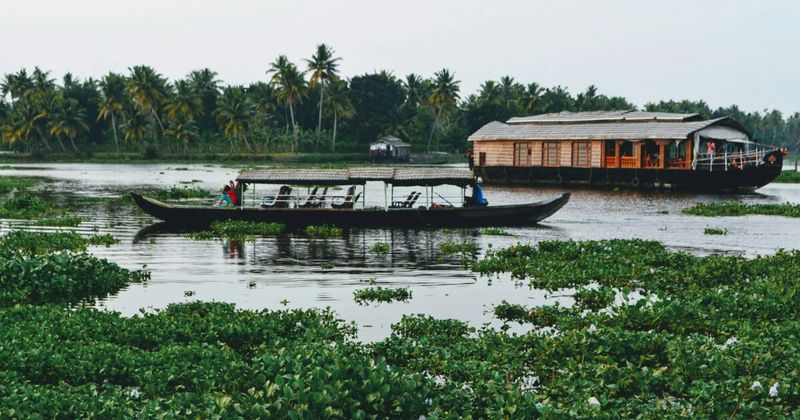
The Alleppey houseboat cook's fish curry is made from whatever came out of the net that morning — ask him to show you the spices before he starts; most are happy to explain every ingredient.
Check Live Flight Prices
| Category | Budget ($80/day) | Mid-Range ($120/day) |
|---|---|---|
| Accommodation (14 nights) | $350–500 USD | $700–1,100 USD |
| Internal trains (6 journeys) | $35–65 USD | $65–100 USD |
| One domestic flight (Jaipur–Kochi) | $45–90 USD | $70–120 USD |
| Food (14 days) | $100–180 USD | $200–350 USD |
| Entrance fees (all sites) | $80–100 USD | $80–100 USD |
| Activities + pre-booked tours | $100–150 USD | $150–250 USD |
| Airport transfers (arrival + departure) | $25–40 USD | $40–70 USD |
| Total (excl. international flights + insurance) | $735–1,125 USD | $1,305–2,090 USD |
The Bottom Line
India rewards the people who plan specifically and stay flexible simultaneously. This itinerary gives you the structure — the trains, the timings, the logistics — but it works best when you leave some mornings unplanned, when you follow a smell into a lane you hadn't mapped, when you stay an extra chai with a shopkeeper who has something worth hearing.
The Golden Triangle is not a lie. The Taj Mahal at dawn is everything the photos say it is. But Varanasi at 6 AM on a boat with smoke rising off the river — that's a different category of experience. Jodhpur's blue lanes at 8 AM when they're almost empty — that's what you'll tell people about. Kerala's backwaters at 5 AM when the only sound is water — that's why people come back to India.
Fourteen days. Sort the logistics in advance, book the transfers through GetTransfer and Intui.travel, cover yourself on VisitorsCoverage, activate your eSIM on Saily before you board, and leave the rest to the country itself. It will fill in the gaps.
Your India Trip Planning Checklist
Every item on this list is easier to sort at home than in India. Sort it before you board.
🛡️ Travel Insurance — First, Always: VisitorsCoverage — Compare plans; minimum $100K USD medical + evacuation; 2-week India policies from $30–80 USD. Non-negotiable. Sort before flights, accommodation, or anything else.
✈️ Flights & Delay Protection: FlyFlick — Compare flights to Delhi (DEL) and search open-jaw options returning from Kochi (COK) or Bengaluru (BLR) — often saves $120–200 USD | Compensair — Claim up to €600 for delayed or cancelled flights; India routes have higher disruption rates in monsoon and fog season.
🚖 Airport & City Transfers: GetTransfer — Pre-booked fixed-fare transfers at Delhi (DEL), Agra, Jaipur, and Kochi (COK) airports; choose your exact vehicle and driver before confirming, zero arrival-hall negotiation | Intui.travel — Pre-booked licensed city transfers for within-city legs in Jodhpur and Jaipur; fixed fares, meet and greet, no language barrier.
📱 Connectivity: Saily — City 5G eSIM; activate before boarding, works from the moment you land across all five cities on this itinerary | Yesim — Unlimited data eSIM for multi-country trips; if India is part of a longer journey covering Nepal or Sri Lanka | Drimsim — Off-grid eSIM; auto-switches to strongest available network in Kerala backwater areas and remote Rajasthan villages where standard eSIMs drop signal.
🚂 Trains: 12Go Asia — Book all 6 internal train journeys in English with your international card; covers Delhi–Varanasi, Varanasi–Agra, Agra–Jodhpur, Jodhpur–Jaisalmer (optional), Jodhpur–Jaipur. Book 60 days ahead for peak season.
🎟️ Experiences to Pre-Book: Klook — Taj Mahal sunrise entry, Ganga Aarti front-row Varanasi, overnight Alleppey houseboat, Amber Fort light and sound show Jaipur, Delhi street food walking tour. All with free cancellation up to 24 hours before.
Go further. Stay longer. Come back changed.