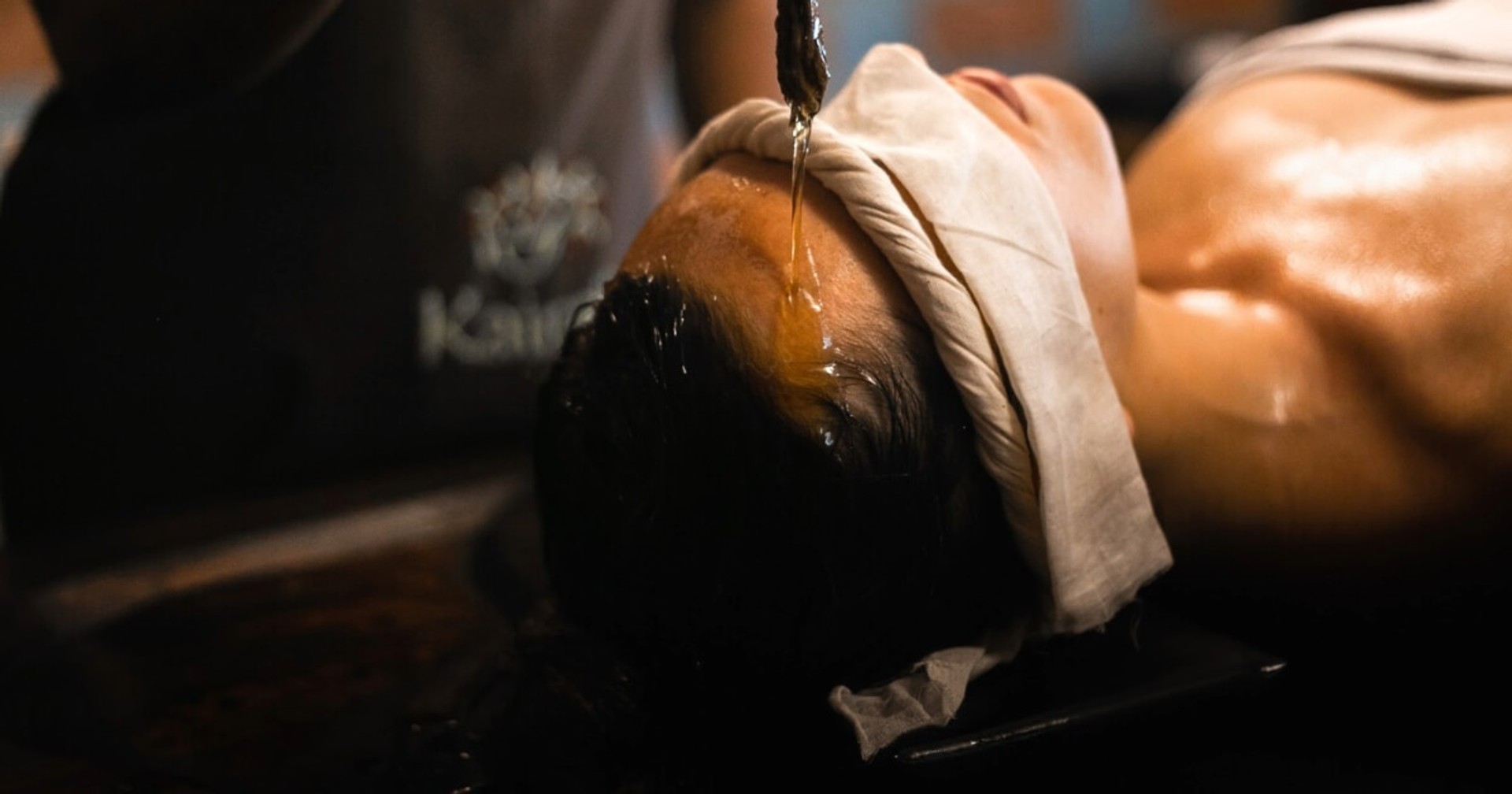

Let us start with a hard, uncompromising truth: Panchakarma is not a spa holiday. If you are imagining yourself lying on a plush massage table for three days, sipping cucumber water, and emerging miraculously cured of all your modern ailments while posting selfies from a infinity pool—you are looking for a luxury resort, not an Ayurvedic hospital. And unfortunately, the wellness industry in Kerala is more than happy to take thousands of your dollars to sell you exactly that illusion.
Kerala, the lush, tropical, southern state of India, is undeniably the global capital of Ayurveda. The high humidity, the rich soil, and an unbroken lineage of Ashtavaidya (traditional physician families) make it the perfect environment for this 5,000-year-old medical science.
But as the Western world woke up to the profound benefits of holistic healing, a massive commercial machine was built to capitalize on it. Today, Kerala is flooded with "Ayurvedic Centers" that are little more than glorified tourist traps. They offer generic buffet food, cross-gender massages, and "3-day Panchakarma packages" that defy the very laws of Ayurvedic medicine.
If you are dealing with chronic pain, severe burnout, autoimmune issues, or deep metabolic imbalances, authentic Ayurveda can be life-changing. But you have to know how to find it.
As a traveler and editor who has navigated the chaotic, brilliant, and sometimes deceptive wellness landscape of India, I wrote this guide to protect you. Here is everything you need to know about what Panchakarma actually is, how to spot a fake clinic, how much it should cost in 2026, and how to successfully navigate your way to true healing.
PART 1: THE BRUTAL BEAUTY OF TRUE PANCHAKARMA
To avoid getting scammed, you must first understand the product you are buying.
Ayurveda translates to the "Science of Life." It views the body as a delicate balance of three energetic forces, or Doshas (Vata, Pitta, and Kapha). When we live out of sync with our nature—through chronic stress, toxic diets, and environmental pollutants—these doshas become imbalanced, and toxins (known as Ama) embed themselves deep within our tissues.
Panchakarma (which literally means "Five Actions") is Ayurveda’s most potent weapon. It is a highly rigorous, doctor-supervised detoxification process designed to dislodge these deep-seated toxins and physically expel them from your body.
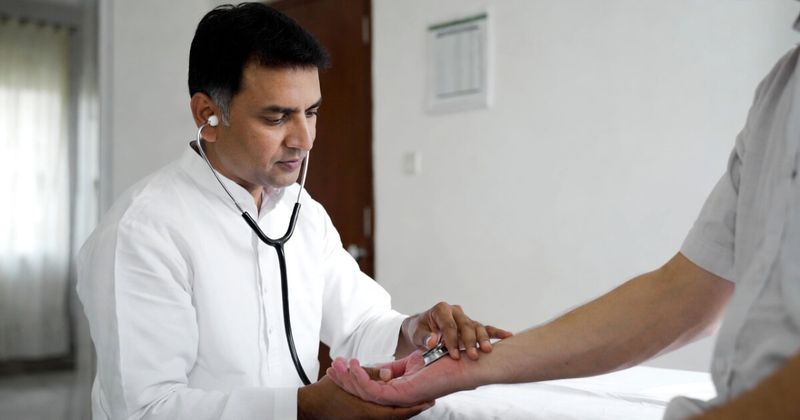
The first sign of an authentic retreat? A thorough consultation. If they don't check your pulse (Nadi Pariksha) before they touch your wallet, you're likely in a tourist trap.
The Three Stages of the Fire
A real Panchakarma treatment takes an absolute minimum of 14 days, with 21 to 28 days being the standard for chronic illnesses. It is broken into three distinct phases:
1. Purva Karma (The Preparation) You do not just arrive and start detoxing. If you try to pull a dry stick from the ground, it snaps. You must first water the soil. This phase involves Snehana (internal and external oleation). You will be required to drink increasing amounts of medicated, clarified butter (Ghee) every morning on an empty stomach. This permeates your cells and binds to fat-soluble toxins. You will also receive daily Abhyanga (intense oil massages) and Swedana (herbal steam baths) to move these toxins from your limbs into your gastrointestinal tract.
- The Reality: Drinking liquid ghee is incredibly unpleasant. You will feel lethargic, nauseous, and emotionally volatile as the toxins mobilize. This is normal.
2. Pradhana Karma (The Main Detox) This is the phase the tourist brochures leave out. Once the toxins are in your GI tract, they must be expelled using one or more of the "Five Actions":
- Vamana: Therapeutic, induced vomiting (to clear the respiratory tract and upper stomach of excess Kapha).
- Virechana: Medically induced purgation/diarrhea (to clear the liver, gallbladder, and lower intestines of excess Pitta).
- Basti: Herbal medicated enemas (to cleanse the colon and balance Vata).
- Nasya: Administration of herbal oils through the nasal passages (to clear toxins from the head and neck region).
- Raktamokshana: Blood-letting using leeches or needles (used rarely, typically for severe skin diseases).
- The Reality: You will be confined to your room, weak, and heavily monitored by nurses. It is a medical procedure. It is exhausting.
3. Paschat Karma (The Rejuvenation) Once your body is essentially an empty, clean vessel, you must rebuild the digestive fire (Agni). You will start with a diet of thin rice water, slowly graduating to lentil soups, and eventually solid foods. You will be given rejuvenating herbal tonics (Rasayanas) to build cellular strength.
If a resort promises you a "Panchakarma Detox" in 5 days while letting you eat spicy curries and go sightseeing, they are lying to you. ---
PART 2: HOW TO SPOT THE SCAMS (RED FLAGS OF FAKE WELLNESS)
The wellness industry thrives on aesthetic appeal. A center might have a breathtaking infinity pool overlooking the backwaters, 1000-thread-count Egyptian cotton sheets, and glowing TripAdvisor reviews, but completely lack medical integrity.
Here are the non-negotiable red flags to watch out for when booking your retreat in Kerala.
Red Flag 1: The "Package Tour" Timeline
As stated above, if the website offers a "3-Day Panchakarma Retreat," close the tab immediately. Ayurveda cannot be rushed. Short programs are simply relaxation massages (Abhyanga) rebranded as Panchakarma to charge a premium. True detoxification requires biological time.
Red Flag 2: Cross-Gender Massages
In authentic Kerala Ayurvedic practice, it is a strict medical rule: Male therapists treat male patients, and female therapists treat female patients. The therapies involve full-body oil applications, and modest, focused professionalism is paramount. If a resort offers couples massages or allows cross-gender treatments, it is operating as a commercial spa, not a healing hospital.
Red Flag 3: The Generic "Continental" Buffet
During a Panchakarma treatment, your digestion is incredibly sensitive. Authentic hospitals will prescribe a highly individualized, incredibly bland, and strictly vegetarian diet specifically tailored to your body type (Dosha) and the phase of your treatment. If the center boasts a massive breakfast buffet featuring croissants, eggs, heavy curries, and raw salads—or worse, if they serve alcohol and meat—run away. Your diet is the medicine.
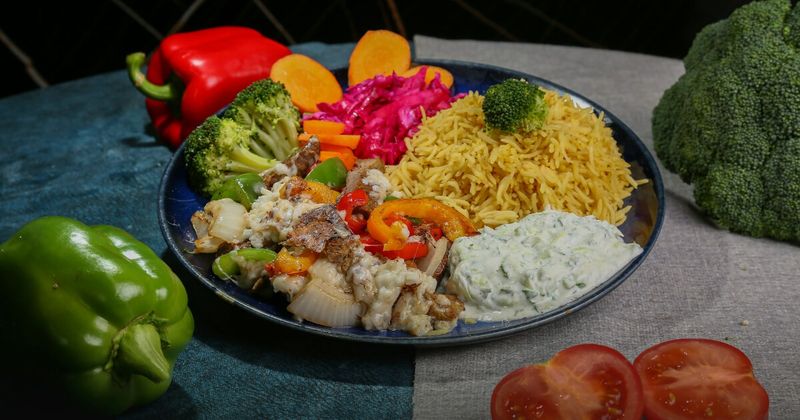
Red Flag: If your retreat offers a wide-ranging 'multi-cuisine' menu, it’s a resort, not a clinic. Authentic healing requires a strict Sattvic diet to support the detoxification process.
Red Flag 4: Lack of Resident Medical Professionals
A true Ayurvedic hospital operates under the strict supervision of a Chief Physician who holds a BAMS (Bachelor of Ayurvedic Medicine and Surgery) or an MD in Ayurveda. The doctor should check your pulse, tongue, and vitals every single day to adjust your therapies and diet. If you only see a doctor on day one and day fourteen, you are at a tourist trap.
PART 3: THE GOLD STANDARD—HOW TO FIND THE REAL DEAL
Now that you know what to avoid, how do you actively find a legitimate hospital? You look for the "Three Pillars of Authenticity."
Pillar 1: NABH Accreditation
This is your most powerful shield against scams. NABH (National Accreditation Board for Hospitals & Healthcare Providers) is a constituent board of the Quality Council of India. If a center has NABH accreditation, it means they are legally recognized as a hospital. It guarantees:
- Strict infection control and hygiene standards.
- Verified, government-certified BAMS doctors on staff.
- Standardized, safe procurement of medicines.
- Protocols for medical emergencies.
- Top Tip: Some of the most highly respected NABH-accredited Ayurvedic hospitals in Kerala include Sitaram Beach Retreat, Vaidya Healthcare, Athreya Ayurvedic Centre, and Sanjeevanam Ayurveda Hospital.
Pillar 2: In-House Medicine Preparation
The efficacy of Ayurveda lies in the purity of its oils and herbal decoctions (Kashayams). Commercial spas buy generic, mass-produced oils in plastic vats. Authentic hospitals, like Madukkakuzhy Ayurveda, take immense pride in preparing their own medicines in-house, often sourcing organic herbs from their own botanical gardens.
Pillar 3: The "No Sightseeing" Rule
A genuine Ayurvedic doctor will explicitly forbid you from going on backwater boat tours, swimming in the ocean, or shopping in the local markets during your Pradhana Karma (main detox) phase. Your body is undergoing a massive stress test; exposure to the hot sun, wind, or physical exertion will ruin the treatment. If the resort encourages daily excursions while you are detoxing, their priority is tourism, not your health.
PART 4: THE 2026 COST BREAKDOWN (WHAT YOU SHOULD ACTUALLY PAY)
Cost is where many foreigners get taken advantage of. Because a 14-day holistic retreat in California or Switzerland can cost upwards of $15,000, Western tourists often look at a $5,000 price tag in India and think it's a steal.
Let's break down the realistic pricing for 2026. Costs are driven by location, the duration of the stay, and the luxury of the accommodation—not necessarily the quality of the medicine.
| Type of Facility | Environment | Target Audience | Estimated Cost (14 Days) |
|---|---|---|---|
| Traditional Govt. or Basic Clinic | Clinical, no-frills, AC optional, basic cots, deeply rooted in local communities. | Budget travelers, locals seeking serious medical cures. | ₹40,000 - ₹70,000 ($480 - $850 USD) |
| Mid-Tier Eco-Hospitals | Clean, private rooms, beautiful gardens, yoga halls, dedicated BAMS doctors. Excellent value. | Wellness travelers looking for authenticity over luxury. | ₹80,000 - ₹1,50,000 ($960 - $1,800 USD) |
| Luxury Premium Retreats | Heritage villas, private pools, beachfront locations, high-end hospitality combined with NABH medical care (e.g., Kumarakom Lake Resort, Sitaram Beach Retreat). | High-end clients, executives needing intense de-stressing with supreme comfort. | ₹2,50,000 - ₹5,00,000+ ($3,000 - $6,000+ USD) |
The Financial Strategy: Do not confuse luxury with medical efficacy. A $5,000 luxury retreat will give you better bedsheets and a view of the Arabian Sea, but the herbal oil being poured on your forehead might be exactly the same as the oil used in the $1,000 mid-tier eco-hospital. Decide what level of comfort your nervous system requires to relax, and budget accordingly.
"Important Note on Insurance: If you hold an Indian health insurance policy, many treatments are now covered under AYUSH schemes if the hospital holds an active NABH accreditation. International travelers should check their global wellness coverage, though it rarely covers alternative medicine abroad."
PART 5: LOGISTICS—NAVIGATING THE CHAOS TO FIND THE CURE
Booking the retreat is only half the battle. Arriving in India requires a strategic approach. If you show up to your tranquil retreat already carrying the immense stress of a disastrous travel day, you start your healing journey at a deficit.
Here is my exact logistical blueprint for getting to your Kerala Ayurvedic hospital with zero friction.
Step 1: The Flight and The Weather Insurance
Kerala has two main international airports: Kochi (COK) in the center, and Thiruvananthapuram (TRV) in the south. You will fly into the one closest to your chosen hospital.
- The Hack: Ayurveda is traditionally believed to be most effective during the Monsoon season (June to August). The moist air opens the body’s pores, making it highly receptive to herbal oils. However, the monsoon guarantees massive flight disruptions.
- The Action: Book your flights using FlyFlick to find the most direct routes into South India. The moment you get your ticket, register your PNR with Compensair. If a tropical downpour delays your connection in Delhi or Mumbai, Compensair’s legal team will aggressively fight the airlines to get you up to €600 in compensation while you wait.
Step 2: The Airport Extraction
You have just flown 15 hours. You step out of the humid Kochi airport, and 40 different taxi drivers immediately start shouting at you, trying to grab your bags. This spikes your cortisol—the exact hormone you are traveling to Kerala to lower.
- The Hack: Bypass the chaos entirely. Pre-book an airport transfer. I exclusively use Welcome Pickups for this. An English-speaking, verified driver will be standing inside the terminal with your name on a tablet. You get straight into an air-conditioned car and drive directly to your hospital.
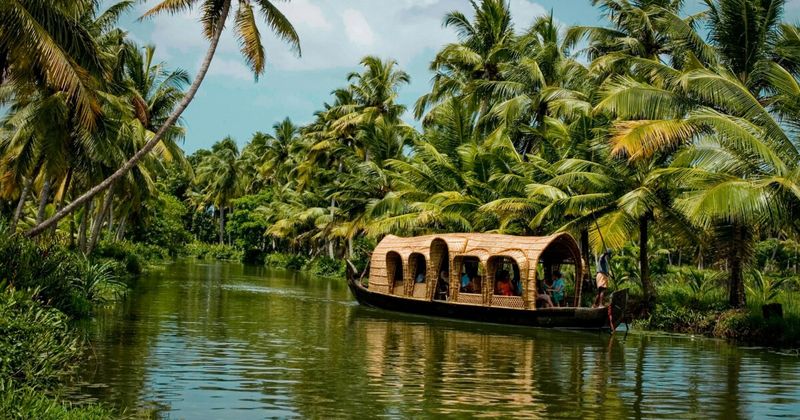
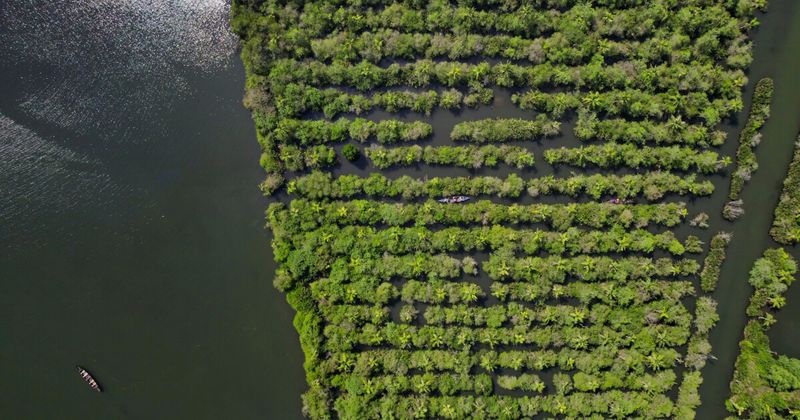
Leaving the chaos behind. In Kerala, the water often serves as the gateway between your old life and your new health.
Step 3: The Digital Detox (On Your Terms)
While you are undergoing Panchakarma, you should be off your phone. But you are also in a foreign country undergoing a medical procedure; you need a lifeline. Many traditional hospitals intentionally do not put Wi-Fi in patient rooms to force you to rest.
- The City Anchor (Saily): If your hospital is in a larger city like Kochi or Trivandrum, download the Saily eSIM before you land. It connects instantly to India’s 5G networks (Jio/Airtel) without the nightmare of trying to register a physical SIM card using your passport.
- The Deep Nature Lifeline (Drimsim): If you book an eco-retreat deep in the Western Ghats mountains (like Palakkad or Wayanad), major networks will fail. You need Drimsim. It is a pay-as-you-go eSIM that acts like a digital bloodhound, sniffing out the micro-signals of local networks to keep you connected in rural areas.
- The Data Vault (Yesim): If you are keeping a daily video diary of your detox journey or need to download hours of meditation audio, use Yesim for robust, unlimited data packages.
Step 4: Regional Movements
If you choose to travel around India before or after your treatment (remember, no traveling during), you need safe transport.
- Trains: Taking the train down the coast of India is a magical experience. But the Indian Railway booking system is famously hostile to foreign credit cards. Use 12Go Asia to securely book your train tickets (like the Rajdhani Express) weeks in advance.
- Link: Book Indian Railways on 12Go Asia
- Local Cabs: When you leave the hospital and want to visit a local temple, do not haggle with the tuk-tuks outside the gate. Download InDrive. You propose a fair price on the app, and local drivers accept it.
- Post-Treatment Tourism: Once the doctor clears you, you will want to see the backwaters or the tea gardens of Munnar. Book these safely through verified aggregators like Klook to avoid local street-level scams.
Final Thoughts: The Courage to Heal
Booking a Panchakarma retreat in Kerala is a leap of faith. It requires you to hand over control of your diet, your routine, and your body to ancient principles that the modern, hyper-fast world has largely forgotten.
Do not let the fear of scams deter you. The authentic healers of Kerala—the Vaidyas who learned to read a human pulse before they learned to read a book, the hospitals that quietly grow their own herbs, the therapists who view their work as a spiritual duty—they are out there.
Do your research. Demand to see the NABH accreditation. Ask the hard questions about diet, doctor qualifications, and the timeline of the detox. Reject the spa packages disguised as medicine.
If you choose wisely, you will experience something profound. You will go through the fire of the detox, endure the physical exhaustion, and emerge on the 21st day feeling lighter, clearer, and more grounded than you have in decades. You will realize that true wellness is not about adding more supplements or luxury to your life; it is about relentlessly subtracting everything that makes you sick.
Your Wellness Logistics Checklist
- 🚐 Airport Extraction: Welcome Pickups (Skip the taxi mafia at Kochi/Trivandrum airports).
- ✈️ Flight Routes & Protection: FlyFlick (Book) | Compensair (Essential for monsoon flight delays).
- 📱 Seamless Connectivity: Saily (City 5G) | Drimsim (Deep Nature) | Yesim (Unlimited Data).
- 🚂 Overland Travel: 12Go Asia (Book trains securely) | InDrive (Haggle-free local rides).
- 🌴 Post-Detox Experiences: Klook (Safe, verified backwater and temple tours).
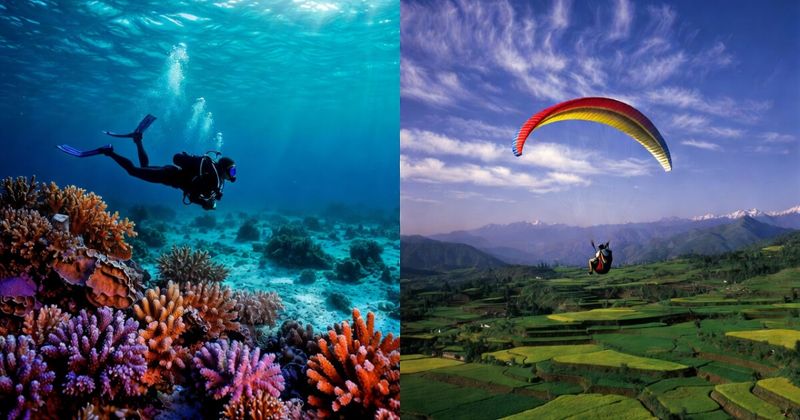
Dive deep. Fly high.