
I still remember picking up my friend from the Mumbai airport a few years ago.
He walked out of the terminal, exhausted but smiling. "I love India already," he told me. "I just grabbed a taxi to Colaba. The driver was so nice, he only charged me ₹3,000 ($35)."
My heart sank. I looked at him and said, "My friend, you just paid the 'Gora Tax'."
He looked confused. I explained that 'Gora' is slang for foreigner, and that exact ride—in a comfortable, air-conditioned Uber or prepaid taxi—should have cost him ₹600. He had overpaid by 400% in his very first hour in my country.
It hurts me when I see international guests in India losing money simply because they don't know the local rules. India is incredibly affordable—perhaps the best value-for-money destination in the world—but only if you know how to navigate it. If you don't, you will bleed money in small increments—₹500 here, ₹200 there—until your "budget trip" costs as much as a European vacation.
After years of traveling my own country and helping international travelers plan their journeys, I’ve compiled the ultimate financial playbook. These aren't generic tips like "bargain hard." These are the specific apps, local hacks, and strategies we Indians use in 2026.
Welcome to India. Here is how to travel it like a local.
1. The Flight Hack: Beating the Dynamic Pricing
Getting to India is usually your biggest expense. As you surely know, flight prices to Delhi (DEL) or Mumbai (BOM) can fluctuate wildly depending on our festival and wedding seasons.
The Mistake Travelers Make: Searching for flights on a standard browser during the weekend. Algorithms track your interest and hike the prices.
The Insider Hack:
- The "Reverse Hub" Strategy: Don't just check flights to Delhi. Check flights to Abu Dhabi (AUH) or Dubai (DXB). It is often $300 cheaper to fly to the UAE from the West. From there, you can hop on a budget Indian carrier (like Indigo or Air India Express) for just $60 to land in India.
- Use FlyFlick’s Flexible Calendar: Instead of picking a specific date, use a tool that shows you the cheapest day of the month.
Action: Check Lowest Fares on FlyFlick
Domestic Hops: Once you are in India, domestic flights are cheap—but only if you book 3 weeks out. A last-minute flight from Delhi to Goa can cost ₹10,000 ($120). But if you book it early like we do? It’s often just ₹3,500 ($40).
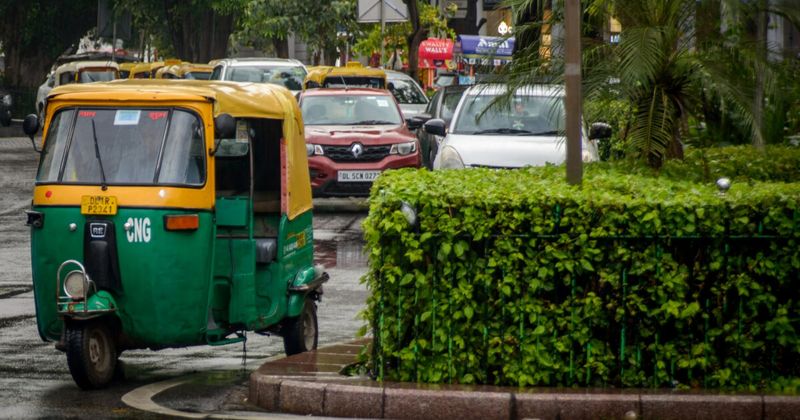
The Auto-Rickshaw: Your chariot for the trip. Master it, or it will master your wallet.
2. Ground Transport: Why You Should Delete Uber
Uber exists here, and it’s fine. But in tourist-heavy cities like Jaipur or Goa, we locals are starting to avoid it. Why? Surge pricing and cancellations. Drivers often won't accept the ride unless you agree to pay extra cash.
The Better App: InDrive This app has changed how we travel in India. Instead of an algorithm telling you the price, you offer a price to the drivers.
- Scenario: You want to go to the Amber Fort. Uber shows ₹500. You open InDrive and bid ₹300. Three drivers will accept your bid within seconds.
- Why it wins: It gives you the bargaining power of a local resident without the awkward, stress-inducing face-to-face haggling on the street.
Action: Download InDrive for Fair Fares
The Airport Trap: When you land, never, ever take the "touts" standing outside the arrivals hall whispering "Taxi, sir? Taxi?" They will charge you 4x the price.
- Budget Option: Look for the "Pre-Paid Taxi" booth run by the traffic police. It’s official and fixed-price.
- Comfort Option: If it’s your first time landing in India at 2 AM, pre-book a transfer. The peace of mind of seeing a sign with your name is worth the extra $10.
Action: Book a Safe Welcome Pickup
3. The Food Rule: "Thalis" are Your Best Friend
You can spend ₹2,000 ($25) on a pasta dish in a fancy hotel that tastes mediocre, or you can have the best meal of your life for ₹150 ($1.80).
What is a Thali? This is how millions of Indians eat lunch every day. It is a large platter that includes rice, roti (bread), daal (lentils), 2-3 vegetable curries, curd (yogurt), and a sweet. It is nutritionally balanced, incredibly filling, and usually "unlimited" (they refill your bowls for free).
The Street Food Safety Hack: I know you want to try street food—it's the soul of Indian cuisine. But as a host, I want you to stay healthy.
- Rule 1: Eat where the locals line up. High turnover means fresh food. If a stall is empty, keep walking.
- Rule 2: Avoid "Pani Puri" (water balls) from street vendors. The water is often untreated tap water, which your stomach might not agree with.
- Rule 3: Eat fried things. Heat kills bacteria. Samosas and Aloo Tikki are generally the safest bets for a foreigner's stomach.
4. Accommodation: Homestays > Hotels
Hotels in India charge a heavy 12-18% GST (tax). Furthermore, budget hotels can be hit-or-miss with cleanliness.
The Homestay Revolution: India has a massive culture of Atithi Devo Bhava (The Guest is God). Many families rent out spare rooms in their large houses. This is the authentic way to stay.
- Cost: ₹800 - ₹1,500 ($10-$18) per night.
- Benefit: You get home-cooked meals (safer and cheaper than restaurants) and a local host—someone like me—who will tell you exactly what the rickshaw should cost, saving you money every single day.
- How to find them: Look for "Homestay" in the name on booking platforms, rather than "Guest House" or "Hotel."
5. The Connectivity Trap
Using your home carrier’s roaming plan (like AT&T or Vodafone) is financial suicide. They will charge you $10/day for what costs pennies here.
The Budget Solution: Data in India is the cheapest in the world.
- Option A (Cheapest but Slowest): Buy a physical SIM (Airtel or Jio) at a local shop. Warning: As a foreigner, this takes paperwork, passport photos, and up to 24 hours to activate.
- Option B (Smartest): Use an eSIM. It costs a few dollars more than a local SIM but saves you the bureaucracy and works instantly. You need data immediately to check maps and avoid scams the moment you land.
Action: Get 5% off Saily eSIMs
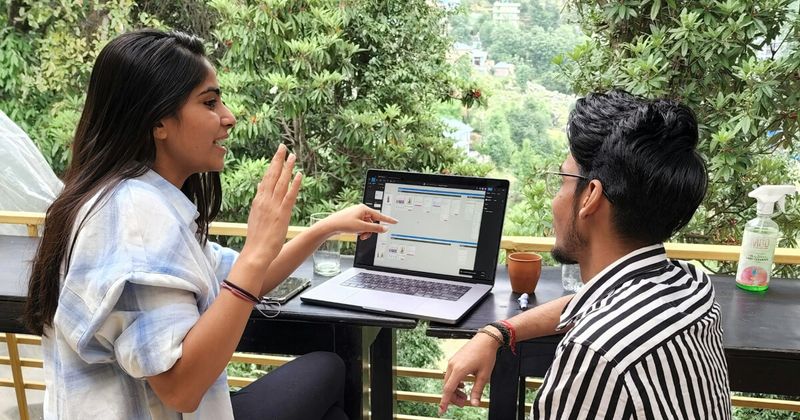
Work, travel, save. With cheap data, the office is wherever you park your backpack.
6. Money Matters: ATM Fees & Cash
India is rapidly becoming a cashless society thanks to UPI (our digital payment interface). We locals scan QR codes for everything, even buying tea. However, as a foreigner without a local bank account, you will still need cash.
The ATM Hack: Most Indian ATMs charge a "convenience fee" of ₹200 ($2.50) per withdrawal.
- The Hero: Look for SBI (State Bank of India) ATMs. They usually do not charge this fee. Look for the blue and white logo.
- The Villain: Avoid "Euronet" or generic white-label ATMs found in tourist spots. They often offer terrible exchange rates.
Pro Tip: Always decline the "Dynamic Currency Conversion" (DCC). If the ATM asks "Charge in USD or INR?", always choose INR. Your home bank will give you a much better exchange rate than the ATM machine will.
Conclusion: The Real Cost
So, what does a realistic daily budget look like in 2026?
- The "Scrappy Backpacker": ₹1,500 ($18) / day. (Dorm beds, sleeper trains, street food).
- The "Comfort Traveler": ₹3,500 ($42) / day. (Private AC room, 3AC trains, mix of restaurants).
- The "Flashpacker": ₹6,000 ($72) / day. (Boutique homestays, domestic flights, nice dinners).
India offers better value for money than almost anywhere else on earth. The key is to spend your money on experiences—like that sunrise boat ride in Varanasi or a tiger safari in Ranthambore—not on scams or bad logistics.
I hope this guide helps you travel my country with confidence.
Start Saving Now:
✈️ Book Flights: Check Deals on FlyFlick
🚕 Fair Rides: Download InDrive
📱 Cheap Data: Get Saily eSIM
Welcome to India.