
Introduction: The "I Wish I Knew" Moment
It usually happens on Day 3.
You are standing in a train station in Varanasi. It is 42°C (107°F). Your phone battery is dead because the train outlet didn't work. Your throat is parched, but you are terrified to drink the tap water. You are sweating through your grey t-shirt, and you realize you have zero internet connection to call a cab.
This is the "India Moment." It is the moment you realize that packing for India is not like packing for Paris or Bali.
In Europe, if you forget something, you pop into a store and buy it. In India, finding specific brands, high-quality electronics, or stomach medicines can be a day-long mission involving three rickshaw rides and a lot of confusion.
After years of traveling the subcontinent—from the frozen valleys of the Himalayas to the tropical backwaters of Kerala—we have refined the Ultimate No-Regrets Packing List.
We are not going to tell you how many pairs of underwear to pack (you can figure that out). We are going to tell you about the 15 specific "Survival Items" that will save your trip, your health, and your sanity.
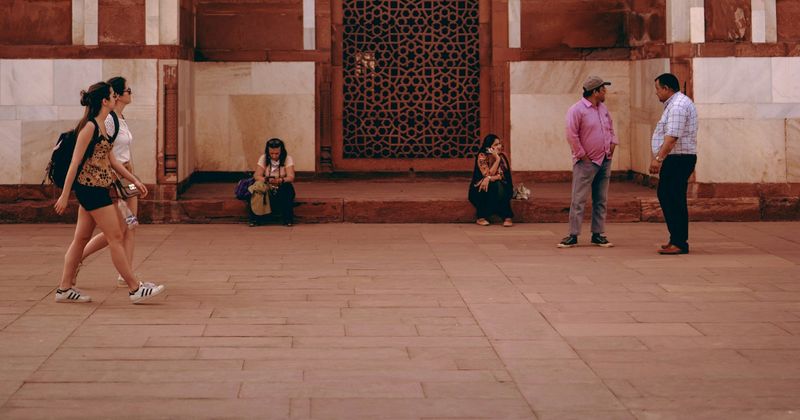
The chaos is part of the charm, but only if you have the right tools to navigate it.
Part 1: The "Delhi Belly" Defense System
The fear of getting sick is the #1 anxiety for travelers to India. The truth? It happens. But with the right gear, it doesn't have to ruin your trip.
1. A Water Purification Bottle (The Life-Saver)
The Regret: Buying 5 plastic water bottles a day. Not only does this destroy the environment (India has a massive plastic crisis), but "sealed" bottles in remote areas are sometimes refilled with tap water and resealed with glue.
The Essential: A Grayl Geopress or LifeStraw Go bottle. These aren't just filters; they are purifiers. They remove 99.99% of viruses (Hepatitis A, Rotavirus), bacteria (E. Coli, Salmonella), and protozoa (Giardia).
Why You Need It: With a purifier bottle, you can fill up from a hotel bathroom tap, a train station fountain, or a river, press the filter, and drink safely in 8 seconds. It grants you total independence. You will never be stuck dehydrated because you can't find a shop.
Pro Tip: Bring a backup filter cartridge if you are staying longer than 2 months.
2. Activated Charcoal & Electrolytes
The Regret: Spending 3 days in a hotel room feeling miserable because you ate the spicy chutney.
The Essential:
- Activated Charcoal Tablets: These absorb toxins in your stomach. If you eat something that tastes "off," take two immediately. It often stops the food poisoning before it starts.
- Electrolyte Powder (ORS): If you do get sick, the danger isn't the bug; it's dehydration. Indian pharmacies sell "Electral," but the taste is salty and unappealing to many. Pack your favorite flavor of hydration salts (like Liquid IV or equivalent) from home.
Pro Tip: Start taking Probiotics two weeks before your trip to build up your gut bacteria defense.
3. Hand Sanitizer (The Clip-On Kind)
The Regret: Using a public toilet or eating street food with dirty hands. Soap is rarely available in public restrooms.
The Essential: Alcohol-based hand sanitizer that clips to your backpack or belt loop. If it's buried in your bag, you won't use it. In India, you eat with your hands (roti, dosa, naan). Your hands need to be surgically clean before every meal.
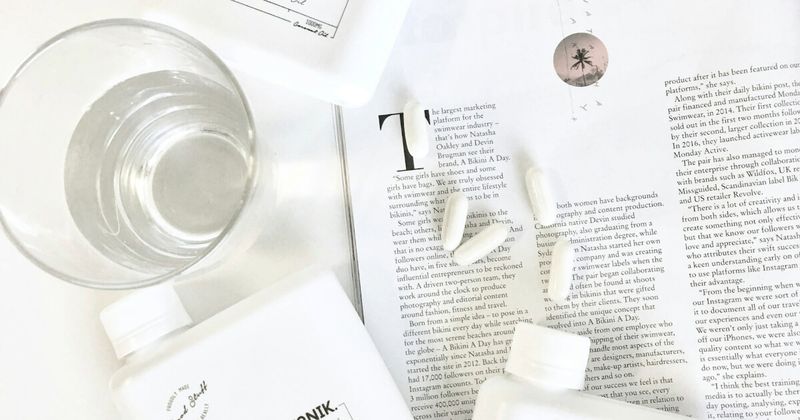
Your stomach's best friends: Don't leave home without this defense trio.
Part 2: The Digital Nomad Stack
India is hyper-digital. You need apps to book autos, pay for chai, and find trains. If your phone dies, you are stranded.
4. A High-Capacity Power Bank (20,000 mAh)
The Regret: Your phone dying at 11 PM while you are trying to find your hostel in Mumbai.
The Essential: A 20,000 mAh Power Bank. Why so big?
- Heat drains batteries: The Indian sun will zap your phone battery twice as fast as usual.
- Power cuts: In smaller towns (and even parts of Delhi), power outages are common. You might not be able to charge your phone in your room overnight.
Important: Airlines require you to carry power banks in your carry-on luggage only. Do not check this bag, or it will be confiscated.
5. The "Type D" & "Type M" Adapters
The Regret: Bringing a "Universal" European adapter and realizing it falls out of the wall.
The Essential: India uses a mix of plugs.
- Type C (Euro): Works in most modern hotels.
- Type D (Old British): The ones with three round pins arranged in a triangle.
- Type M (South African): Larger pins, used for heavy appliances but often the only socket in older guesthouses.
Standard "Universal Travel Adapters" are often too heavy and loose for Indian sockets, which can be worn out. Buy a specific India adapter plug (Type D) that fits snugly.
6. A Pre-Booked eSIM (The Connection Hack)
The Regret: Spending your first 6 hours in India standing in a line at the Airtel kiosk at the airport, filling out paper forms, giving fingerprints, and waiting 24 hours for activation.
The Essential: Install an eSIM before you board your flight. Apps like Saily or Yesim allow you to buy an India data plan instantly. You turn it on when you land, and boom—you have internet to order your Uber immediately.
- Why Saily? It is often cheaper for short trips (1-2 weeks).
- Why Yesim? They offer unlimited data plans if you are working remotely.
- Action: Get 5% off Saily eSIMs for India.
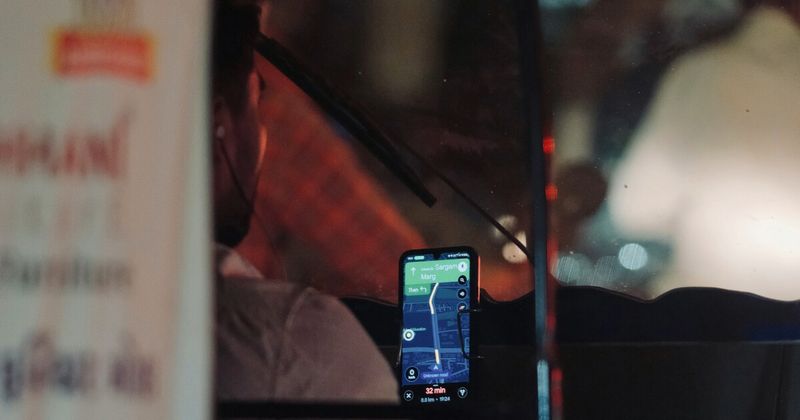
Data is power: With Google Maps and Uber, you can navigate any Indian city like a local.
Part 3: The Comfort & Hygiene Kit
Comfort in India is about managing the sensory overload—the noise, the dust, and the toilets.
7. Noise-Canceling Headphones & Earplugs
The Regret: The honking. It never stops. Not at 2 AM, not at 6 AM.
The Essential:
- Active Noise Canceling (ANC) Headphones: Essential for trains, buses, and flights. They create a bubble of silence that lowers your stress levels significantly.
- Silicon Earplugs: For sleeping. Indian weddings, temple festivals, and stray dogs can be incredibly loud at night. Foam earplugs often aren't enough; get the high-decibel silicon wax ones.
8. Toilet Paper & "Wet Wipes"
The Regret: Entering a toilet stall and finding... a bucket and a tap.
The Essential: Toilet paper is standard in 3-star hotels and above. It is rare in local restaurants, train stations, and monuments.
- Pack: 2-3 rolls of TP (remove the cardboard core to save space).
- Must-Have: Biodegradable wet wipes. They are a shower-in-a-bag after a long dusty train ride and essential for bathroom hygiene.
The Golden Rule: Do not flush TP in India unless you are in a luxury hotel. The pipes cannot handle it. Use the bin.
9. A Microfiber Towel
The Regret: Using the "towel" provided by a budget guesthouse, which is often a thin, scratchy piece of cloth that smells damp.
The Essential: A large Quick-Dry Microfiber Towel.
- Hygiene: You know it's clean.
- Speed: It dries in 20 minutes, even in the humid monsoon season. Cotton towels stay wet for days in Kerala or Goa, smelling of mildew.
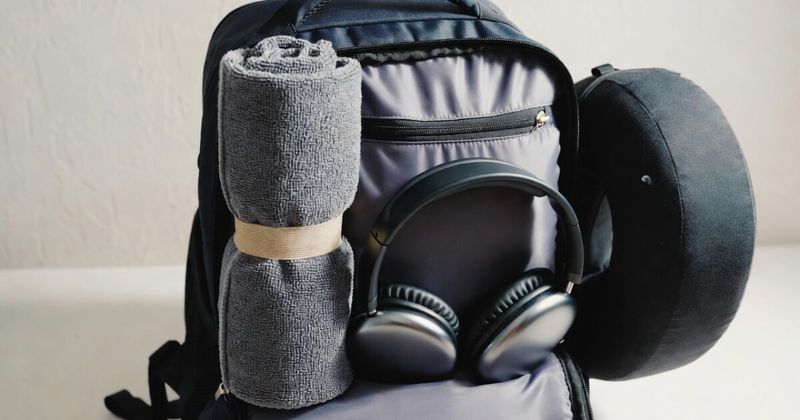
Small comforts make a big difference on a 12-hour sleeper train.
Part 4: Clothing (The Culture Code)
What you wear affects how people treat you. India is conservative. Dressing appropriately is a sign of respect and keeps unwanted attention away.
10. Slip-On Shoes (Not Lace-Ups)
The Regret: Spending 5 minutes lacing and unlacing your hiking boots at every single temple.
The Essential: You will take your shoes off 10 times a day to enter temples, gurdwaras, some shops, and people's homes.
- Bring: Sturdy sandals (like Tevas or Chacos) or slip-on sneakers (like Vans/Skechers).
- Avoid: High-laced combat boots or flimsy flip-flops (the streets are too dirty for open toes in cities).
11. The "Modesty" Scarf (For Everyone)
The Regret: Being denied entry to a temple because your shoulders are bare, or freezing in the AC of a sleeper train.
The Essential: A large, lightweight cotton or linen scarf (called a Dupatta in India).
- For Women: Cover your head in Gurdwaras, cover your chest/shoulders in temples, and drape it over yourself to sleep on trains.
- For Men: Use it as a mask in dusty rickshaws or a towel in emergencies.
Shopping Tip: You can buy beautiful ones in India, but pack one for your arrival day so you are prepared immediately.
Part 5: Safety & Security
India is generally safe, but theft (especially on trains) is a reality.
12. A Cable Lock & Padlock
The Regret: Lying awake all night on the train because you are afraid someone will snatch your bag while you sleep.
The Essential:
- Retractable Cable Lock: To chain your backpack to the seat or pole on the train.
- Small Padlock: To lock the zippers of your daypack. Pickpocketing happens in crowded markets (like Chandni Chowk in Delhi). If your zippers are locked, thieves move to an easier target.
13. An Anti-Theft Daypack
The Regret: Having your phone slashed out of your bag in a crowd.
The Essential: Brands like Pacsafe or Travelon make bags with slash-proof mesh and locking zippers. If you don't want to buy a new bag, simply carry your backpack on your front (kangaroo style) when walking through dense crowds. This is what locals do.
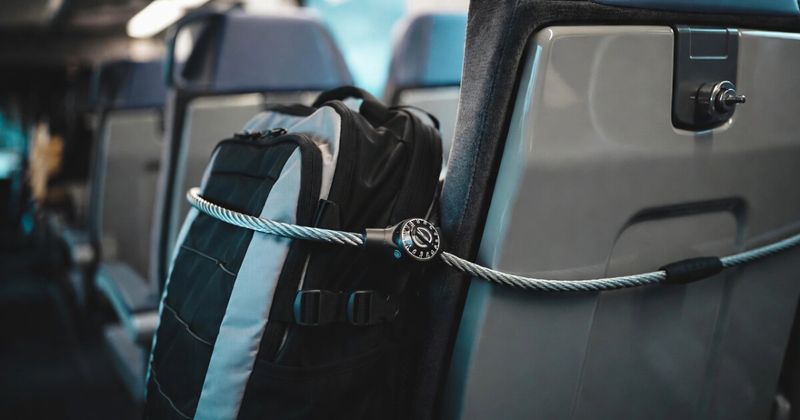
Peace of mind for $10: Lock your bag, sleep soundly.
Part 6: The "Oh, I Forgot That!" Extras
14. A Silk Sleeping Bag Liner
The Regret: Looking at the blankets on the sleeper train (which are not washed between trips) and shivering in disgust.
The Essential: A silk or cotton sleeping bag liner. It is a thin sheet sewn into a sack. You crawl inside it, and then put the dubious blankets on top. You never touch the dirty bedding. It also protects you from bedbugs in cheaper hostels.
15. Copies of Documents (Physical & Digital)
The Regret: Losing your passport and realizing the US/UK Embassy requires a copy of your visa and passport to issue an emergency one.
The Essential: India is a bureaucracy-heavy country.
- Physical: Carry 4-5 printed copies of your Passport, Visa, and Flight Tickets. Hotels and SIM card vendors often demand paper copies.
- Photos: Carry 4-5 passport-sized photos of yourself. You need them for permits (like in Ladakh) or if you buy a SIM card offline.
- Digital: Store PDFs on your phone and email them to yourself.
Summary Checklist: The "Do Not Fly" List
Before you zip that bag, double-check this list. If you have these 15 items, you can handle anything India throws at you.
- Water Purifier Bottle (Grayl/LifeStraw)
- Activated Charcoal & Electrolytes
- Clip-On Hand Sanitizer
- 20,000 mAh Power Bank
- Type D/M Adapter Plug
- eSIM (Saily/Yesim/Drimsim installed)
- Noise Canceling Headphones
- Toilet Paper & Wet Wipes
- Microfiber Towel
- Slip-On Shoes
- Large Scarf/Shawl
- Cable Lock & Padlock
- Anti-Theft Bag (or locks)
- Sleeping Bag Liner
- Passport/Visa Copies & Photos
Conclusion: Pack Light, Pack Smart
There is a saying among travelers in India: "Everything you need is available, but nothing is where you expect it to be."
By packing these essentials, you are buying yourself time and comfort. You are ensuring that when the inevitable "India Chaos" happens—a delayed train, a stomach bug, a power cut—you just smile, take a sip of clean water from your filter bottle, put on your noise-canceling headphones, and enjoy the ride.
Ready for the adventure?
- Step 1: Secure your internet before you fly. Check Saily eSIM Rates
- Step 2: Don't get stuck at the airport. Book a Welcome Pickup
- Step 3: Double-check your flight deals. Search on FlyFlick
Safe travels, and Namaste!