
Let us address the elephant in the room immediately: the fear of "Delhi Belly."
For decades, foreign travelers have swapped horror stories of prolonged hotel room lock-ins, attributing their suffering to the chaotic, vibrant, and utterly intoxicating world of Indian street food. Because of these tales, many visitors arrive in India with a suitcase full of instant noodles, vowing to only eat inside five-star international hotels.
This is a profound tragedy. To travel to India and ignore the street food is to visit the Louvre and refuse to look at the paintings.
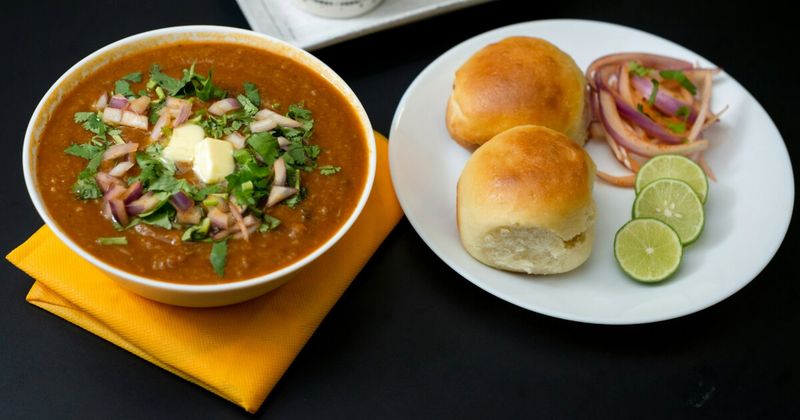
India’s culinary soul does not live in white-tablecloth dining rooms; it lives on the streets. It is the rhythmic clatter of spatulas mincing pav bhaji in Mumbai, the sweet aroma of boiling chai at a 4:00 AM train station in Rajasthan, and the dramatic, hissing steam of fresh dosas being poured onto cast-iron griddles in Kerala.
Getting sick is not a mandatory rite of passage for visiting India. While the microbial environment is different from what Western stomachs are accustomed to, "Delhi Belly" is largely preventable. It requires a shift in mindset from fear to educated caution. You must become a street-level food inspector, learning the visual cues, the temperature rules, and the biological realities of how food is prepared and consumed in the subcontinent.
Here is FlyFlick’s masterclass on how to navigate the greatest food theater on earth safely, confidently, and deliciously.
Part 1: The Biology of the Belly (Why Do We Get Sick?)
Before we talk about what to eat, we need to demystify why travelers actually get sick. "Delhi Belly" is a catch-all term, but the biological reality usually falls into one of three categories:
- Bacterial/Viral Contamination: This is the big one. Your body is encountering local strains of bacteria (often E. coli or Salmonella) or viruses that local residents have built a lifelong immunity to, but which your foreign gut has zero defense against. This usually comes from contaminated water, unwashed hands, or food left sitting at room temperature.
- The Spice and Oil Shock: Often, what travelers mistake for "food poisoning" is actually severe gastrointestinal distress caused by a sudden, massive influx of heavy oils, rich dairy (ghee), and fiery spices (chilies and garam masala). Your liver and stomach are simply overworked.
- Travel Fatigue & Immunity Drops: Long-haul flights, jet lag, and the intense heat of India compromise your immune system. You are more susceptible to illness simply because your body is exhausted.
The Acclimatization Strategy
Do not dive into a plate of hyper-spicy street meat the moment you leave the airport. Your gut needs a training camp.
Start by securing your flight routes through FlyFlick to find the most direct, least exhausting journeys. If your international arrival is severely delayed, your stress levels—and cortisol—will spike, weakening your immunity. Register with Compensair to claim your rightful delay compensation, allowing you to relax.
Once you land, ease into the cuisine. Spend your first two days eating at established, busy indoor restaurants or reputable chain eateries (like Haldiram's). Order mild vegetarian dishes. Let your stomach bacteria adapt to the local water used in cooking, the local spices, and the climate before you hit the street stalls.
Part 2: The Water Protocol (Non-Negotiable)
If there is only one rule you remember from this guide, let it be this: Water is the enemy. Almost all cases of severe foodborne illness in India trace back to unpurified tap water. The local water systems simply carry microbes that your body cannot handle. You must be militantly strict about your water intake.
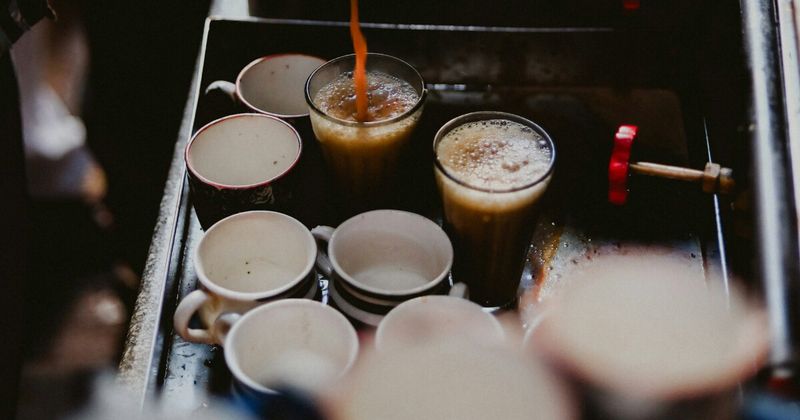
Chai is your safest beverage on the street. Because it is boiled aggressively and repeatedly, any waterborne bacteria are entirely destroyed.
1. The Bottled Water Ritual
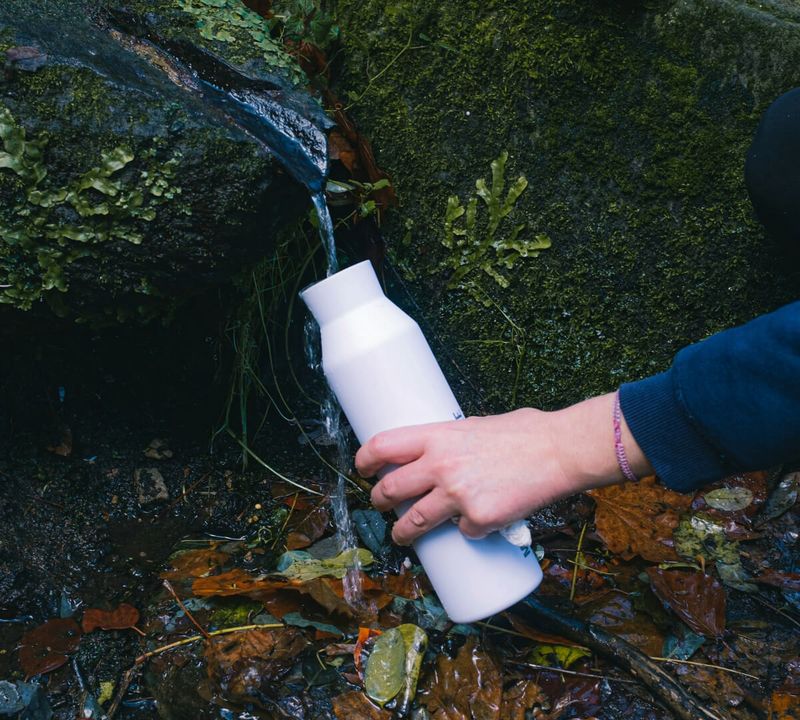
You must only drink bottled or thoroughly filtered water. But buying a bottle is not enough; you must check the seal. Unscrupulous vendors have been known to refill empty plastic bottles with tap water and superglue the caps back on. When you buy water, physically twist the cap and listen for the distinct crack of the plastic seal breaking. If it doesn't crack, hand it back.
2. The Ice Ban
You are walking through the sweltering streets of Delhi in May. A vendor offers a bright, frosty glass of fresh lemonade packed with crushed ice. Walk away. Unless you are sitting in a luxury hotel, ice is almost always made from tap water. Freezing water does not kill bacteria; it merely preserves it until it melts in your stomach.
3. The Hidden Water Traps
Water hides in plain sight. Keep these hidden traps in mind:
- Brushing Your Teeth: Keep a bottle of water next to your bathroom sink and use it to brush your teeth. Do not rinse your mouth with tap water.
- The Wet Plate: If a vendor hands you a freshly washed plate that is still dripping with tap water, wipe it completely dry with a clean paper napkin or antibacterial wipe before putting food on it.
- Free Chutneys: Those vibrant green mint and coriander chutneys sitting in metal bowls on street carts? They are often blended using unboiled tap water. Unless you see them being made with bottled water, skip the raw chutney.
Part 3: The "Heat Kills" Mandate
Bacteria thrive at room temperature. Therefore, heat is your absolute best friend and greatest protector. The street food you choose should either be violently boiling, heavily steaming, or deep-fried in front of your eyes.
The Green Light Foods (Safest)
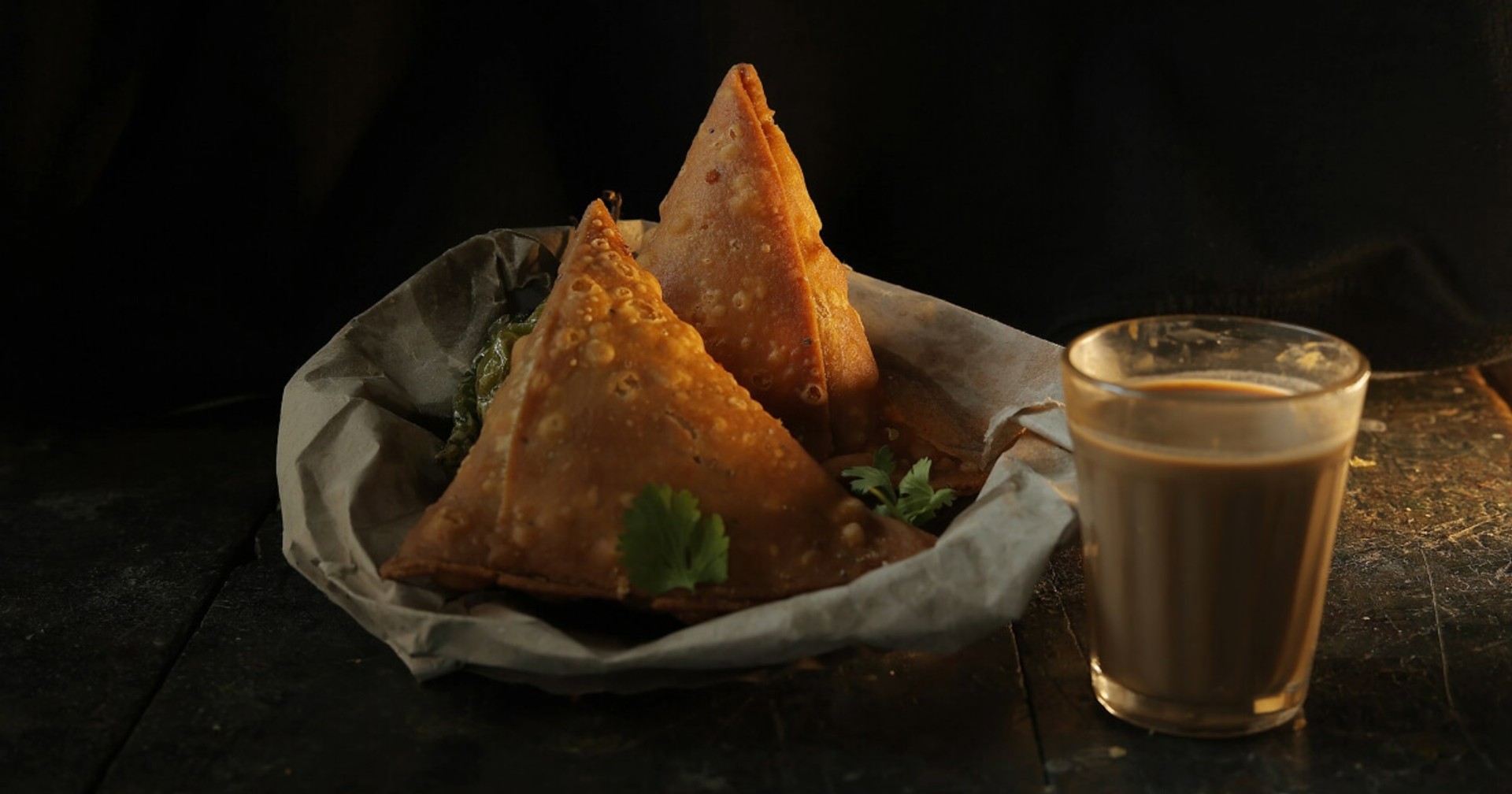
- Deep-Fried Snacks: Samosas, pakoras (vegetable fritters), jalebis (sweet fried batter), and vadas. Plunging food into boiling oil at 350°F (175°C) is a highly effective way to sterilize it. If it comes out of the oil hot and crispy, it is safe.
- Steamed Delicacies: South Indian idlis (steamed rice cakes) or Tibetan momos (dumplings) are cooked using intense steam. As long as they are served piping hot directly from the steamer, they are excellent choices.
- Baked Breads: Naan, roti, paratha, and chapati are cooked on extremely hot open flames or iron griddles (tawas).
- Boiled Drinks: Chai (tea) and filter coffee are universally safe because the water is subjected to prolonged boiling.
The Red Light Foods (Avoid)
- Pre-Cut Fruit: Sliced melon, papaya, or pineapple sitting on a cart exposed to the open air and flies is a hard pass.
- Raw Salads: Sliced onions, cucumbers, and tomatoes served on the side of your meal are often washed in tap water. Leave them on the plate.
- Fresh Juices: Unless the vendor washes the fruit with bottled water, peels it in front of you, and juices it into a dry cup, avoid fresh sugarcane or fruit juice stands.
- Buffets: Food sitting in lukewarm chafing dishes for hours is a bacterial breeding ground. Always choose made-to-order food over a buffet.
The "Peel It" Rule: If you want to eat fresh produce, stick to fruits that come in their own natural, protective packaging. Bananas, oranges, and whole mangoes that you peel yourself are perfectly safe and make excellent snacks for long bus or train rides.
Part 4: Decoding the Vendor (How to Choose a Cart)
Not all street stalls are created equal. You do not need a health inspector’s badge to find the safest food; you just need to use your eyes and rely on the wisdom of the crowd.
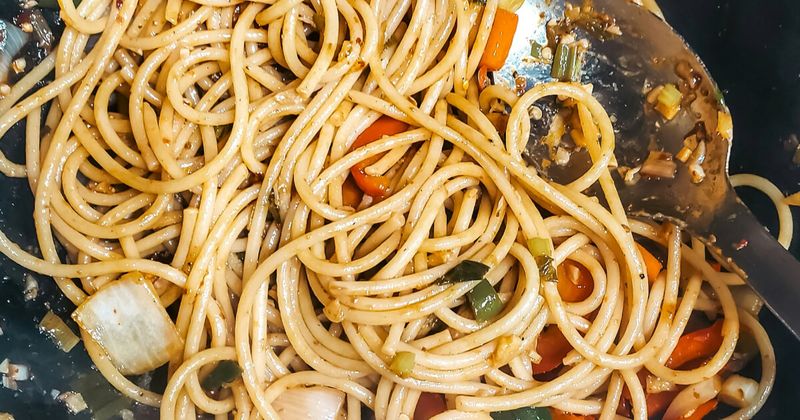
Heat is your best antiseptic. When choosing a vendor, look for the 'Wok in Motion'—food that is cooked at high temperatures right in front of your eyes is always your safest bet.
1. Follow the Locals
The most infallible rule of eating street food anywhere in the world: Look for the longest line. If a street cart is surrounded by local families, office workers, and college students, it means two things. First, the food is undeniably delicious. Second, and more importantly, the turnover rate is incredibly high. The ingredients are not sitting around going bad; they are being cooked and consumed immediately. Locals have delicate stomachs too—they will not return to a vendor that makes them sick.
2. The Visual Hygiene Audit
Stand back and watch the vendor for two minutes before ordering.
- Where is the money? Is the person handling the dirty cash the same person plunging their bare hands into the food? Look for stalls where one person cooks and another handles the currency, or where the vendor uses ladles and tongs.
- Look at the oil. Is the frying oil a clear, golden color, or is it a thick, black, sludgy liquid that has clearly been reused for three days?
- Pest control. Are ingredients covered with lids or mesh screens, or are flies treating the raw materials like a landing pad?
3. The Power of the Tech-Savvy Traveler
You don't have to wander blindly. Before you head out, use your phone to research legendary, historic street food vendors in your area (many of which have been operating safely for generations).
Ensure you have a reliable connection the moment you land. For major urban hubs like Delhi or Mumbai, use Saily to instantly download a city-wide 5G eSIM to check Google Maps reviews on the go. If your culinary journey takes you deep into the spice farms of Kerala or the remote mountains of Himachal, switch to Drimsim for unparalleled off-grid connectivity. And if you plan on vlogging your entire food tour to Instagram, grab a Yesim unlimited data plan so you never run out of bandwidth while uploading heavy video files.
Part 5: The Meat & Dairy Dilemma
India is a paradise for vegetarians. In fact, one of the easiest ways to mitigate your risk of food poisoning is to simply adopt a vegetarian diet for the duration of your trip. Without the risks associated with improper meat storage, your chances of getting sick plummet.
However, if you are a carnivore, India offers spectacular non-vegetarian street food—from sizzling Lucknowi kebabs to rich chicken shawarmas. If you choose to eat meat on the street:
- Only eat at high-volume specialists. If a stall only sells chicken tikka and has a massive line, the meat is fresh.
- Check the center. Before taking a massive bite, pull the chicken or mutton apart. If it is pink or cold in the center, do not eat it.
- Morning meat is better. Eat meat dishes earlier in the evening when the day's fresh cuts are being grilled, rather than at midnight when raw skewers have been sitting out for hours.
The Dairy Directive
Dairy requires refrigeration, which can be spotty during power outages.
- Lassi and Curd: Probiotic-rich yogurt (dahi) is actually fantastic for your gut, but only if it's fresh. Buy your Lassi from highly reputable, specialized sweet shops, and avoid dairy entirely from small, unprotected street carts, especially during the humid monsoon season when milk spoils rapidly.
- Paneer: This firm Indian cheese is generally safe because it is usually cubed and boiled deeply into thick, hot gravies.
Logistics Tip: Navigating the chaotic alleys of places like Chandni Chowk in Delhi to find the safe, historic vendors can be overwhelming. Rather than haggling with street taxis, use InDrive to negotiate a fair, transparent price for an auto-rickshaw to drop you exactly at the market entrance. Even better, take the guesswork out entirely by using Klook to book a vetted, expert-led street food walking tour. A local guide knows exactly which vendors adhere to the highest hygiene standards.
Part 6: Building Gut Armor (The Pre-Trip Protocol)
You can prepare your stomach before you even board your flight.
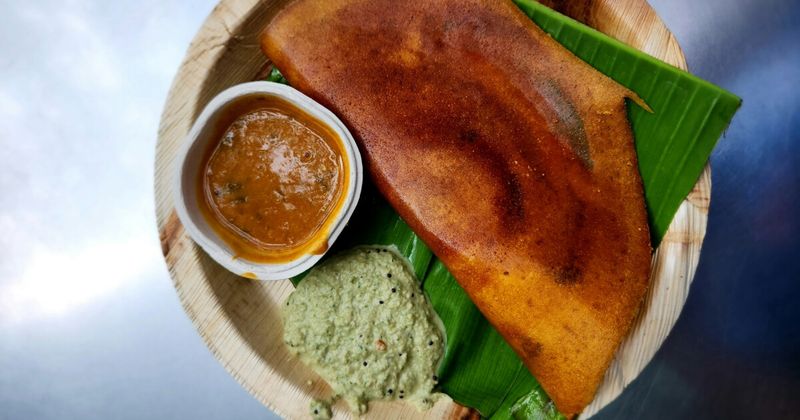
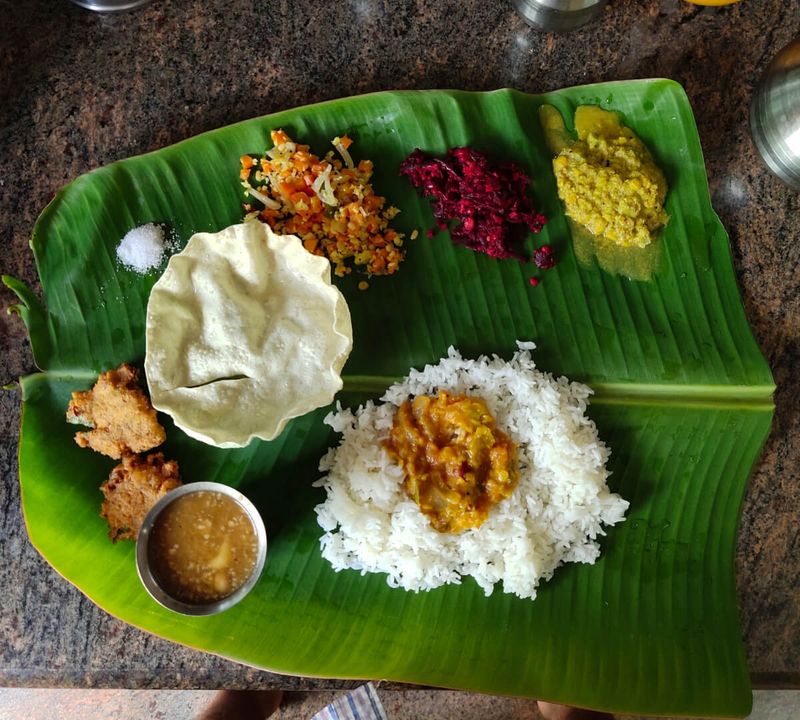
Going vegetarian is one of the easiest ways to safeguard your stomach in India. Fermented, freshly cooked dishes like the Dosa are both deeply authentic and incredibly safe.
1. The Probiotic Pre-Game Start taking a high-quality, broad-spectrum daily probiotic supplement two weeks before you depart for India, and continue taking it throughout your trip. This builds up the "good" bacteria in your gut microbiome, creating a stronger defense line against foreign microbes.
2. The Hand Hygiene Rule You are constantly touching handrails, currency, and door handles. In India, a vast majority of food (like breads and rice) is traditionally eaten with your hands. If you don't sanitize your hands before you eat, it doesn't matter how clean the street food is—you are infecting yourself. Carry a travel-sized bottle of 70% alcohol hand sanitizer and antibacterial wet wipes at all times. Sanitize aggressively before every single meal.
3. Manage the Spice Load If your body is not used to chilies, it will react violently. This is often mistaken for food poisoning, but it is just gastric irritation. Be humble. Learn the phrase "Make it non-spicy, please" (in Hindi: Kripaya kam mirch dalein). The food will still be incredibly flavorful from the base spices, just without the chili heat that destroys a foreign stomach.
Part 7: The Emergency Action Plan (If Delhi Belly Strikes)
Even with the most meticulous planning, you might get unlucky. If you wake up with stomach cramps, nausea, or diarrhea, do not panic. Your trip is not over. Follow this recovery protocol:
- 1. Hydration is Survival: Diarrhea depletes your body of water and essential salts rapidly. Do not just drink plain water. You must drink ORS (Oral Rehydration Salts). You can buy packets of ORS for pennies at literally any pharmacy in India. Mix it with bottled water and sip it continuously. It is a lifesaver.
- 2. The Khichdi Cure: When you are ready to eat, ask your hotel or a local restaurant for Khichdi. It is a hyper-comforting, bland, porridge-like dish made of overcooked rice, yellow lentils, and a hint of cumin and ginger. It is what Indian mothers feed their children when they are sick. It will settle your stomach.
- 3. Medicating Wisely: Carry Loperamide (Imodium) for emergencies—like if you have to board a 12-hour train ride. However, if you are resting in your room, it is often better to let your body flush the bacteria out rather than stopping the process. Take Paracetamol for fever or cramps.
- 4. Know When to Seek Help: If you have a high fever, severe abdominal pain, blood in your stool, or if symptoms persist for more than 48 hours, go to a doctor. Indian private hospitals in major cities are world-class, affordable, and incredibly efficient at treating gastrointestinal issues.
Logistics Tip: If you do fall ill and need to drastically alter your travel plans to recover in bed, avoid the stress of navigating local transport stations. Use 12Go Asia directly from your smartphone to quickly cancel, rebook, or secure comfortable, air-conditioned train or bus tickets for when you are fully recovered and ready to move to your next destination. And to ensure a smooth, stress-free extraction to the airport when it's time to fly home, pre-book a trusted, English-speaking driver through Welcome Pickups.
The Final Bite
India is a sensory overload in the best possible way. The street food is the vibrant, beating heart of its culture. Yes, it requires a different set of rules, a heightened sense of awareness, and a bottle of hand sanitizer. But the reward—biting into a perfectly spiced, piping hot samosa as the sun sets over the Pink City of Jaipur—is worth every ounce of preparation.
Trust the crowds. Trust the heat. Prepare your gut.
Your Wellness & Logistics Checklist
To navigate India's food streets with absolute confidence, ensure you have your travel logistics locked down. Here are the FlyFlick-approved tools we trust:
- 🚐 Airport Extraction & Peace of Mind: Welcome Pickups (Pre-book a vetted, English-speaking driver to bypass the chaotic airport taxi mafia and arrive at your hotel stress-free).
- ✈️ Flight Routes & Protection: FlyFlick (Book your optimal flight routes) | Compensair (Instantly claim up to €600 for disrupted or delayed international flights).
- 📱 Seamless Connectivity (For Maps & Reviews): Saily (Instant City 5G eSIM for urban hubs) | Drimsim (Off-grid eSIM for remote regional travel) | Yesim (Unlimited Data eSIM for heavy uploading and video streaming).
- 🚂 Overland Travel & Taxis: 12Go Asia (Secure, hassle-free booking for AC trains and intercity buses) | InDrive (Haggle-free, fair-priced local auto-rickshaws and cabs).
- 🌴 Curated Food Experiences: Klook (Book highly vetted, safe, and expert-led street food walking tours to take the guesswork out of vendor selection).
Eat brave. Fly high.