
Introduction: The India You Imagine vs. The Reality
The "Golden Triangle"—connecting the capital Delhi, the Mughal city of Agra, and the pink city of Jaipur—is the classic introduction to India. It is a sensory explosion of color, history, and culture that spans centuries. It contains the Taj Mahal, the chaotic bazaars of Old Delhi, and the royal palaces of Rajasthan.
But let’s be honest: It can also be overwhelming.
For a first-time visitor from Europe or North America, the Golden Triangle presents a steep learning curve. The traffic is intense, the touted "guides" are aggressive, and the logistics can feel like a puzzle.
Here is the good news: The chaos is manageable if you have the right tools.
This isn’t just a list of monuments. This is a strategic blueprint for the modern traveler. We will show you how to use technology to bypass the scams, how to move between cities in comfort, and how to ensure your Indian adventure is memorable for all the right reasons.
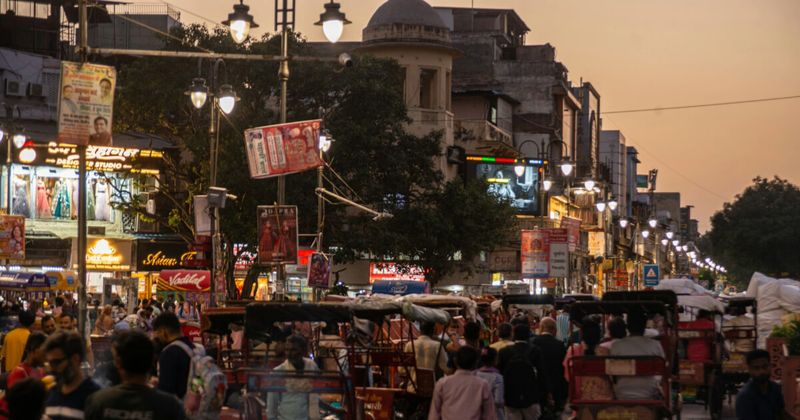
Embrace the energy: Old Delhi is a sensory overload, but with the right plan, it's an photographer's dream.
Part 1: The Logistics (Build Your Safety Net)
Before you land in Delhi, you need to build a digital infrastructure. In India, your smartphone is your shield against overcharging and confusion.
1. The Flight: Don't Overpay for the "Gateway"
Delhi (DEL) is the primary entry point. Ticket prices fluctuate wildly based on Indian festivals and wedding seasons.
- The Strategy: Use FlyFlick’s Live Search to compare major carriers. We often find that flights landing on Tuesdays or Wednesdays are 15-20% cheaper than weekends.
- Action: Check Live Flight Deals to New Delhi on FlyFlick.
2. Connectivity: Your Digital Lifeline
Do not rely on finding Wi-Fi. You need data the moment you step off the plane to check Uber/Indrive prices or Google Maps.
- The Mistake: Buying a SIM card at a roadside stall (requires photos, photocopies, and takes 24 hours to activate).
- The Solution: Use an eSIM. It activates instantly upon arrival.
- Best for Speed:Yesim (Great 5G coverage in cities).
- Best for Budget:Saily (Excellent rates for short trips).
- Best for Remote Areas:Drimsim (Pay-as-you-go, works everywhere).
- Get Connected: Get 5% off your India data with Saily or Check Yesim’s Unlimited Data Plans or Check drimsim pay as you go plans.
3. Visa & Insurance
- Visa: most nationalities need an e-Visa. Apply 72 hours in advance.
- Insurance: India’s healthcare is excellent in private hospitals but expensive. Also, flight delays due to fog (especially in Dec-Jan) are common.
- Pro Tip: If your flight from the EU/UK is delayed, use Compensair to claim up to €600. It happens more often than you think.
- Link: Check Your Flight Compensation Eligibility Free.
Part 2: Arrival in Delhi (The First 24 Hours)
Indira Gandhi International Airport (DEL) is world-class, but the exit gate is where the "touts" wait.
The Transfer Hack
Do not try to hail a cab physically. You will be quoted 3x the price.
- Option A (Premium): Pre-book Welcome Pickups. Your driver waits with a name sign inside the terminal, handles your bags, and drives a sanitized car.
- Option B (Budget): Use the Delhi Metro Express Line (Orange Line). It takes 20 minutes to reach the city center for approx $0.80.
Where to Stay
- South Delhi: Cleaner, greener, and quieter (Hauz Khas, Saket).
- Central Delhi: Close to sights but chaotic (Connaught Place).
Part 3: Exploring Delhi (The Capital of Contrasts)
Delhi is actually two cities: Old Delhi (Mughal history) and New Delhi (British colonial layouts).
Must-Dos & How to Do Them
- Red Fort & Chandni Chowk:
- The Trap: Rickshaw drivers offering "cheap tours" that take you to gem shops.
- The Fix: Book a verified Walking Food Tour via Klook. You get a local guide who knows the safe food spots and navigates the alleys for you.
- Link: Old Delhi Street Food & Heritage Tour on Klook.
- Qutub Minar:
- The tallest brick minaret in the world. Go at sunset for the best light.
- Ticket Tip: Foreigner tickets have a separate (shorter) line.

Never negotiate on the street. Apps like InDrive and Uber give you a fixed price and trackable safety features.
Part 4: Delhi to Agra (The Taj Mahal Mission)
Agra is 230km from Delhi. You have two good options.
Option 1: The Train (Gatimaan Express)
- Pros: Fast (1 hour 40 mins), AC, meals included.
- Cons: Tickets sell out weeks in advance.
Option 2: Private Transfer (Recommended)
For total freedom, book a city-to-city ride.
- The Tool: Use InDrive (City to City).
- Why: You propose a fare, drivers bid on it. You can see the driver’s rating and car model before you accept. It is safer and often cheaper than hotel taxis.
- Link: Download InDrive for Safe Intercity Travel.
Agra Strategy: The Taj Mahal
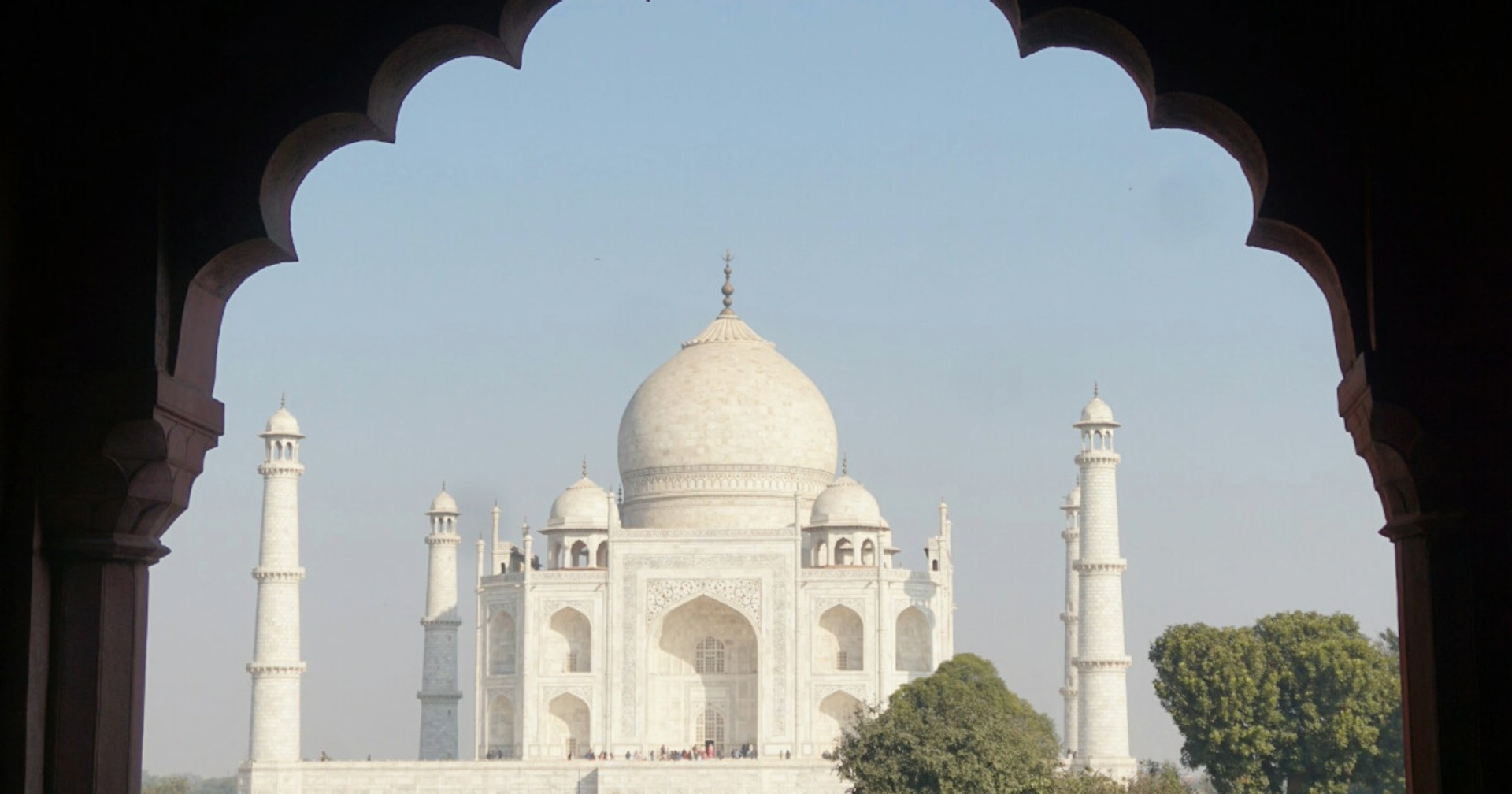
- The Golden Rule: Go at Sunrise. The gates open 30 minutes before sun-up. The crowds are thin, and the white marble turns pinkish-gold.
- Skip the Line: The ticket line can be an hour long.
- Solution: Buy an E-Ticket online or book a "Skip-the-Line" guided tour on Klook.
- Link: Taj Mahal Skip-the-Line Ticket & Tour.
Part 5: Agra to Jaipur (The Royal Route)
On the way to Jaipur, stop at Fatehpur Sikri, the abandoned Mughal capital. It is perfectly preserved and spooky.
Jaipur: The Pink City
Jaipur is Rajasthan at its finest—forts, elephants, and palaces.
Top Experiences:
- Amber Fort:
- Located on a hill. Avoid the elephant ride (ethical concerns); take a jeep or walk up.
- Photo Spot: The "Panna Meena ka Kund" stepwell nearby is a geometric marvel.
- Hawa Mahal (Palace of Winds):
- Don't just look from the street. Go to the Tattoo Café across the street for a coffee and an eye-level photo of the facade.
- City Palace:
- Home to the royal family. The "Blue Room" (Chhavi Niwas) is Instagram famous, but requires a special ticket.
Shopping Hack: Jaipur is famous for gems and textiles. If a rickshaw driver insists on taking you to a "government shop," say no. Use Google Maps (via your Saily eSIM) to find highly-rated boutiques like Anokhi or Fabindia.
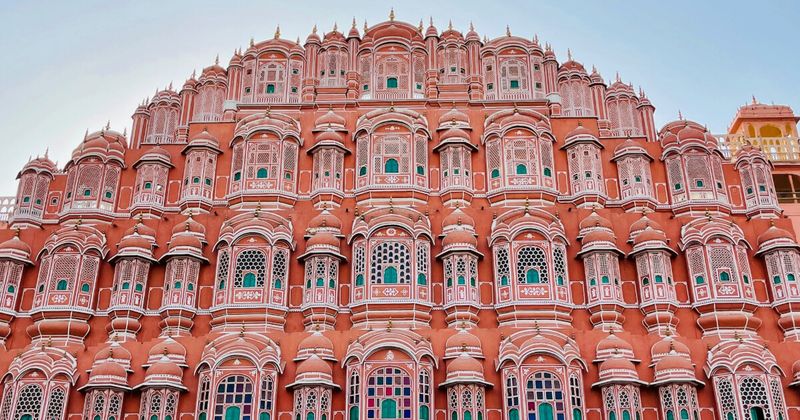
The Hawa Mahal was built so royal ladies could watch the street festivals without being seen. Today, it's Jaipur's most iconic facade.
Part 6: The Perfect 7-Day Itinerary
This pace ensures you see everything without burnout.
- Day 1: Delhi Arrival. Transfer via Welcome Pickups. Rest.
- Day 2: Old & New Delhi. Red Fort (Morning), Humayun’s Tomb (Evening).
- Day 3: Delhi to Agra. Morning drive via InDrive. Sunset view of Taj Mahal from Mehtab Bagh (garden across the river).
- Day 4: The Taj & Move. Sunrise at Taj Mahal. Drive to Jaipur with a stop at Fatehpur Sikri.
- Day 5: Jaipur Forts. Amber Fort and Panna Meena Stepwell.
- Day 6: Jaipur City. City Palace, Hawa Mahal, and shopping.
- Day 7: Return to Delhi. Drive back or fly out of Jaipur (JAI).
Part 7: Safety, Scams & The "Real" Cost
Is it Safe?
Yes, but you must be "street smart."
- Women Travelers: Dress modestly (shoulders and knees covered) to avoid unwanted stares. Avoid walking alone in desolate areas after 9 PM.
- Food Safety: Stick to cooked food. Drink only bottled water (check the seal).
Budget (Per Person for 7 Days)
- Backpacker: $300 (Hostels, Trains, Street Food).
- Mid-Range (Smart Luxury): $800 (Boutique Hotels, InDrive Cabs, Nice Dinners).
- Luxury: $2,500+ (Oberoi Hotels, Private Chauffeurs).
Conclusion: The Chaos is Part of the Charm
The Golden Triangle will challenge you, surprise you, and ultimately enchant you. It is a place where Mercedes cars share the road with camels, and where ancient history lives in the breathing fabric of the city.
By planning your logistics—using Welcome Pickups for transfers, InDrive for travel, and Klook for tickets—you strip away the stress, leaving only the wonder.
Ready to book your Indian Adventure?
- ✈️ Flights: Find the best dates to Delhi on FlyFlick.
- 📱 Data: Get your Saily eSIM instantly.
- 🏰 Tours: Book Skip-the-Line Taj Mahal Tickets with Klook.
Namaste, and safe travels!